Minimalism has officially gone mainstream. Scroll Instagram or Pinterest and you’ll find endless images of colorless closets, sterile living rooms, and kitchens that look like no one’s ever cooked in them.
Everything is neutral, curated, and somehow sponsored.
But here’s the thing: that’s not minimalism. At least, not the kind that changed our lives.
We get why the minimalist aesthetic appeals to people.

Clean spaces and calming colors can create a sense of visual calm. We get it. Some people like the design aspect of it.
However, when minimalism becomes merely a style, one that’s performative or based on trends, it begins to lose its essence. This is much like how The Home Edit doesn’t really edit.
That version might photograph well, but it rarely feels good to live in.
Why Aesthetic Minimalism Misses the Mark
The issue with aesthetic minimalism is that it often prioritizes appearance over experience.
It’s easy to get pulled into the version of minimalism that looks good on a screen, with neutral tones and everything in its place. But that doesn’t always mean it’s meaningful or mindful.
We’ve watched people discard perfect items to replace them with trendier, more minimalist-looking versions.
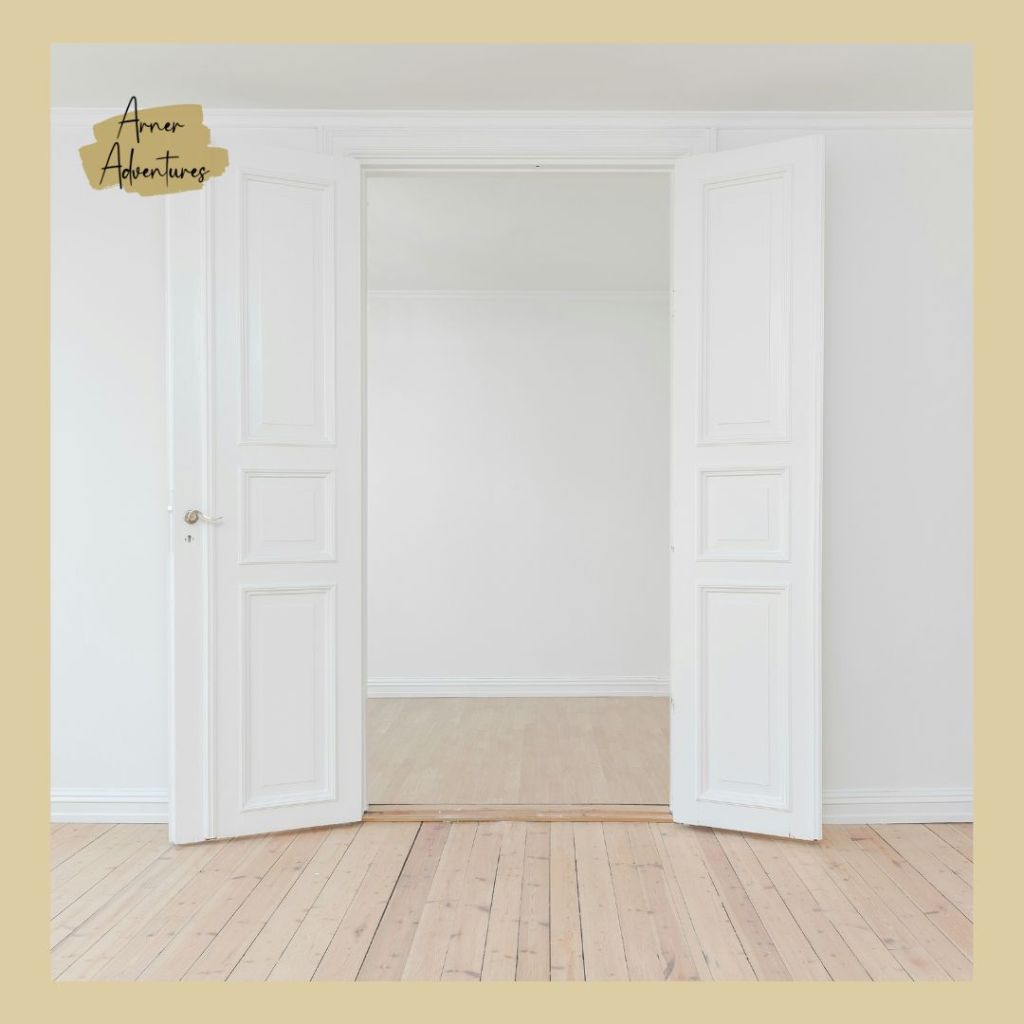
That’s not simplifying. That’s just buying different items to achieve a new look, and labeling it minimalism.
Our Real Shift Into a Minimalist Lifestyle
We didn’t downsize our lives because we wanted a clean Instagram grid. We did it because we were burned out from working 24/7 and constantly chasing more.
Our minimalist lifestyle started with asking more complex questions:
- Why are we holding onto this?
- What are we saying yes to out of obligation?
- What would our lives look like with more space to breathe?
That’s the version of minimalism we still live by today. It’s not always aesthetically pleasing, and it doesn’t fit neatly into a single style. But it feels right.
What Real Minimalism Looks Like (For Us)
- We live in a small coastal home where everything has a purpose.
- We choose quality over quantity. This is especially true when it comes to clothing, furniture, and the items we bring into our space. Minimalism does not mean reducing quality of life.
- We keep our schedules as uncluttered as our home. White space isn’t just for walls.
- We say no often, and protect our time as if it were something we can’t buy back. (Because it is.)
- We’d rather have one meaningful trip a year than five chaotic ones.
Minimalism, for us, isn’t a trend. It’s a framework for living better with less, on our terms.

How to Shift Toward a More Intentional Version of Minimalism
If aesthetic minimalism feels like it’s not clicking, try this instead:
- Focus on what feels good in your space, not what looks good online.
- Let go of the pressure to perform your lifestyle.
- Make decisions based on your values, not aesthetics.
- Choose things that are built to last and made ethically.
- Permit yourself not to follow the minimalist “rules.”
You don’t need to own one beige sweater or a capsule wardrobe to live with intention.
Your version can be colorful, quirky, sentimental, or practical. The only thing that matters is that it works for you.
What We’ve Learned
The kind of minimalism that lasts isn’t about tossing everything you own. For us, it’s been about clearing the clutter, both physical and mental, as well as the emotional noise.

We never strive for a perfect setup, but rather to make space for what supports us.
It’s never been about matching bins or the right shade of beige. When we stopped worrying about how it looked and started paying attention to how it felt, everything shifted.
FAQs | Frequently Asked Questions
Absolutely. Minimalism isn’t about your decor style. It’s about simplifying your life in a way that works for you, even if that means keeping your bold art, colorful wardrobe, or sentimental items.
Owning less can be part of it, but it’s not the whole story. Minimalism is really about being intentional with your time, energy, commitments, and values, not just your stuff.
Start small. Clear out one drawer. Say no to one commitment. Question one habit. You don’t have to go all in overnight. It’s more sustainable when you ease in with purpose.