

Are inflatable hot tubs worth it? As renters, we have asked ourselves this question for our cozy backyard.
Let’s be real—there’s something undeniably tempting about having your own hot tub, especially if you’re a renter like us.
No huge renovations, no permanent commitment, just soaking under the stars with a glass of wine. But are inflatable hot tubs worth it?

We’ve been eyeing them ourselves and decided it was time to investigate their quality, cost, and whether these portable spas can really stand the test of time.
Let’s break it down and see if they’re a worthy investment or just a terrible investment.
Are Inflatable Hot Tubs Worth It?
Having an above-ground pool this summer was a total game-changer for our weekends! Totally worth it, by the way!
Since we enjoyed it so much, we wondered if we should consider a hot tub. Here’s the thing: it’s not worth it to us to purchase an actual hard-shell hot tub. As renters, it doesn’t make sense.
So, would an inflatable tub be worth it? Here is what we found out.
Inflatable Tubs Are Better for the DIYer
According to home remodeling expert Tyler Tranni, the setup of permanent hot tubs is similar to major home renovations, like kitchen remodels, where a solid, level foundation and structural integrity are key.
They often require professional installation for both plumbing and electrical work.

In contrast, inflatable hot tubs are more DIY-friendly, offering easy setup and repositioning flexibility—much like swapping out fixtures during a bathroom upgrade.
Andre Kazimierski, CEO of Improovy, notes that inflatable hot tubs are much easier to install, but they aren’t known for their ease of maintenance, as they’re not built for long-term durability.
“You’re likely to get better value by simply replacing the tub once it starts to develop issues,” he explains, emphasizing that these models are more of a temporary solution compared to traditional hot tubs.
The thought of replacing a tub when there are issues became a concern for us and contributing to waste in the landfill.
Considering Cost and Budget
David Brabant, owner of Creative Edge Pools and with over 30 years of experience in the custom pool and outdoor environment business, emphasizes that when considering cost, it’s important to think beyond the initial price tag and focus on long-term value.
A permanent hot tub can be a strategic investment, especially when thoughtfully integrated with custom landscaping and hardscaping to create a cohesive, luxurious backyard space.
“We recently completed a project where a permanent hot tub was installed next to a gunite pool, providing the clients with a seamless, high-end leisure area,” David shares, highlighting the aesthetic and functional benefits of a permanent installation.

Thomas Patrick, founder of Comfort Hot Tubs and Aquavoss, explains that inflatable hot tubs typically range from $500 to just under $2,000, whereas traditional models start around $3,000, depending on the features and materials.
While inflatable tubs are more affordable upfront, Thomas points out they can lead to higher operating costs, especially in colder climates. This is largely due to their lack of insulation and the energy-efficient features that traditional hot tubs offer.
Patrick adds that inflatable hot tubs are a great budget-friendly option for temporary or short-term solutions.
That seems to be a running theme.
Supply List for a Hot Tub (Inflatable or Not)
When considering a standard tub or an inflatable tub, you will need to consider additional supplies outside the tub itself.
The supplies needed for an inflatable hot tub can differ due to its specific requirements.
Initial Setup Supplies
- The Hot Tub (see below for recommended brands)
- Air Pump (if inflatable)
- Base or Mat
- Water Source
Maintenance Supplies
We have learned this with our above-ground pool. It takes work. It isn’t about just setting up the tub, and it’s ready. Maintenance keeps things running smoothly.
- Water Testing Kit
- Filter Cartridges
Cleaning Supplies
It is essential to keep the water clean. Otherwise, it will not only be unsafe, but it will also be a pretty gross experience.
- Spa Cleaner
- Sponge or Soft Cloth
- Vacuum
Accessories
- Cover: Tub covers are essential for longevity, whether you have a standard or inflatable tub.
- Steps: unless you want to climb in and out each time.
- Safety Rails
- Thermometer: the heat level and water temperature make for a good experience, but it’s a safety issue.
- Spa Pillow: ultimate relaxation!
Unexpected Concerns and General Tips
Again, we learn things the hard way in the Arner household. There really isn’t any skirting around when it comes to having a hot tub or pool and taking care of it.
You may not realize that there are some unexpected expenses and concerns that you wouldn’t have thought about.
- For example, when you fill the tub, you may have a higher water bill that month.
- The energy it takes per hour to keep the jets and filter pump running smoothly. Bonus points if you purchase an energy efficient tub.
Top 3 Hot Tub Brands (Standard)
While researching hot tubs, we came up with the top three in the hard shell, standard hot tub category. They are as follows:
Clearwater Spas
Clearwater Spas offers a great balance of quality and affordability, making it a popular choice for budget-conscious buyers.

- Features: Good jet systems, user-friendly controls, and various sizes and styles.
- Price Range: Typically starts around $3,000 to $5,000.
Hot Spring Spas
Hot Spring Spas is known for its energy efficiency and advanced water care systems, providing excellent value for the features offered.
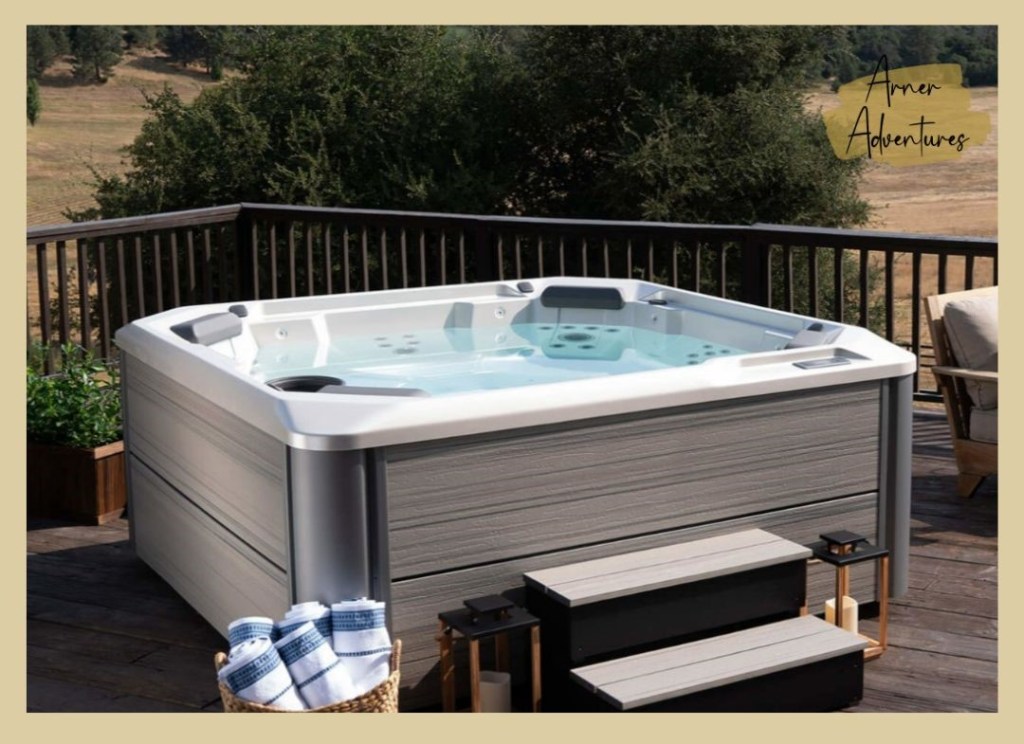
- Features: Comfortable seating, customizable options, and powerful jets. They also emphasize user-friendly technology.
- Price Range: Usually falls between $5,000 to $10,000.
Jacuzzi
As a pioneer in the hot tub industry, Jacuzzi is synonymous with quality and luxury, making it a top choice for those looking to invest in a premium hot tub.
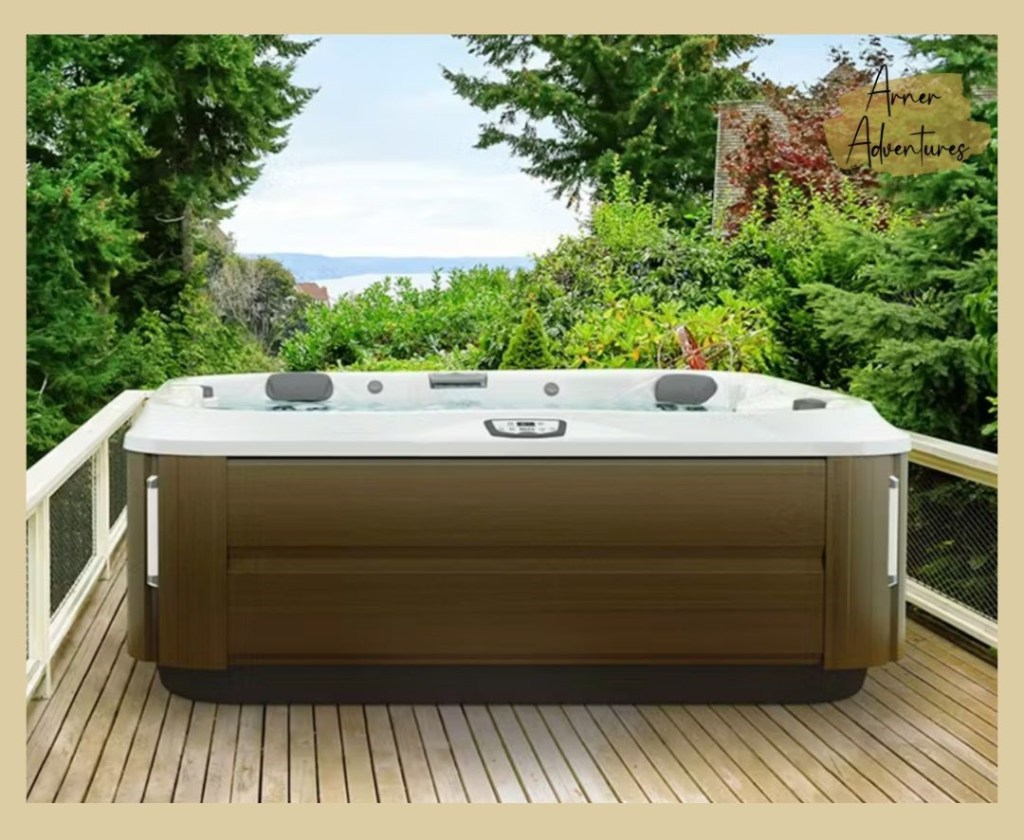
- Features: Advanced hydrotherapy options, high-quality materials, and stylish designs. Many models come equipped with smart technology.
- Price Range: Generally ranges from $10,000 to $15,000 and up.
Top 3 Inflatable Hot Tub Brands
As people who rent, the inflatable hot tub route is where we were looking to shop. Here are the top three inflatable hot tub brands:
Intex Inflatable Hot Tubs
Intex is well-known for its affordable inflatable hot tubs, making it a great entry-level option for those new to hot tubbing.
//widgets.shopstyle.com/shopstyle-widget-snippet.js- Features: Easy setup, built-in heating systems, and a durable design. Most models come with basic massage jets and are suitable for small to medium-sized spaces.
- Price Range: Typically starts around $600 to $900.
Bestway Inflatable Hot Tubs
Bestway offers a good balance of quality and features at a reasonable price, making it a popular choice for families and casual users.
//widgets.shopstyle.com/shopstyle-widget-snippet.js- Features: Equipped with a powerful heating system, durable materials, and massage jets. Many models come with added features like LED lights and integrated air pumps.
- Price Range: Usually falls between $450 to $700.
Coleman Inflatable Hot Tubs
Coleman inflatable hot tubs are known for their quality construction and advanced features, offering a more premium experience. We love Coleman as a brand for all outdoors and camping items, so we know that it is dependable when it comes to outdoor spas and saunas.
//widgets.shopstyle.com/shopstyle-widget-snippet.js- Features: Sturdy build, integrated heating and filtration systems, and a higher number of jets for a more robust massage experience. Some models even include additional features like a cover and built-in seating.
- Price Range: Generally ranges from $450 to $800.
A Hot Tub is an Investment Either Way You Go
So, are inflatable hot tubs worth it? Investing in a hot tub—whether standard or inflatable—can significantly enhance your relaxation and wellness experience.
Each route has unique selling points, ensuring that you can find the right hot tub to meet your needs and preferences. As you embark on this journey towards better relaxation, consider the space, your budget, usage, and features that matter most to you.
For us, we decided to go the inflatable route. We’re thrilled the research is done. Hope it is beneficial to you!
FAQs | Frequently Asked Questions
On average, reaching the desired temperature can take anywhere from 4 to 24 hours, especially for larger tubs. It depends on the type you have.
Yes, inflatable and standard hot tubs can be used year-round, but it’s essential to consider temperature settings and insulation features. Inflatable models with built-in anti-freezing technology can be suitable for winter use, while standard hot tubs often come equipped with more efficient heating systems.
Energy efficiency can vary significantly between models. Look for hot tubs with good insulation, energy-efficient heating systems, and programmable timers to maximize their energy usage time.