

We’ve been making our own cleaning and body products for years, and this castile soap shampoo recipe is one we keep coming back to. It’s simple, affordable, and has worked well for us over time.
This isn’t a glossy, store-bought shampoo replacement, and it doesn’t behave like one either. What it does offer is a cleaner ingredient list, more control over what goes on your scalp, and a surprisingly effective wash once you understand how to use it.
If you’re curious about DIY shampoo but unsure where to start, this recipe is a good entry point.
I (Shannon) have thick hair—an attribute I did not appreciate when I was younger. I remember being frustrated that my hair wouldn’t do many of the things the other girls in school did, due to its thickness. I am now very thankful for it. The older I get, the more hair I lose, right? So, at least I have a lot of it.
Why make homemade shampoo?
Finding a shampoo that’s affordable, cruelty-free, and free from ingredients we don’t want on our bodies has always been harder than it should be. Reading ingredient labels can be overwhelming, especially when many products rely on fillers, fragrances, or harsh surfactants.
Making our own shampoo gave us more control and removed a lot of guesswork. It also simplified our routine. Instead of standing in the shampoo aisle comparing bottles, we use something we already understand and trust.
Homemade shampoo isn’t about perfection. It’s about transparency and intention.
What is Castile soap?
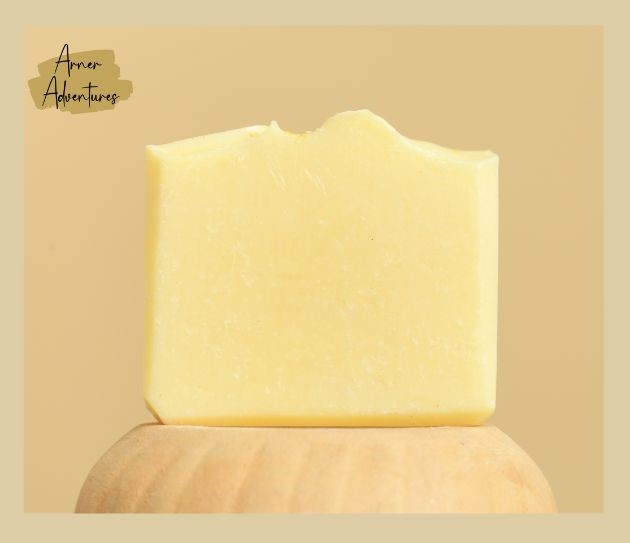
Castile soap is a plant-based soap traditionally made from olive oil. It originated in the Castile region of Spain and has been used for generations as a multipurpose cleanser.
Today, castile soap is available in liquid and bar form and is often formulated with additional plant oils, such as coconut or hemp. Many versions also include essential oils for scent.
One reason Castile soap works well in DIY shampoo is that it cleans effectively without synthetic detergents. It also does not contain animal fats, which is still uncommon in many commercial soaps.
We use liquid castile soap for this recipe because it blends easily and is simple to measure.
Some use vegetable oil or coconut oil, and some add essential oils. It has been said that Castile soap may promote hair growth. We are all about that!
We’d be remiss not to note that Castile soap contains no animal fats, which is rare in many soaps. Again, read your labels.

What To Expect When Switching To DIY Shampoo
This is important.
Homemade shampoo does not look, feel, or lather like store-bought shampoo. Less foam does not mean less clean. Bubbles are not an indicator of effectiveness.

If you’re used to heavily fragranced or thick shampoos, this will feel different at first. For us, the adjustment period was short, and our hair felt cleaner and lighter once we got used to it.
Because castile soap can be drying on its own, this recipe includes ingredients to balance it out.

Castile Soap Shampoo Recipe
What ingredients do you need, and why?
- Start with Dr. Bronner’s Liquid Castile Soap. Trust us on this one. Not only is it high-quality, but the bottle is plant-based, so you are helping the planet by supporting a company that declines to contribute to the plastic ocean we already have. Additionally, there are many benefits to having Dr. Bronner’s Castile Soap on hand, which we will cover another time.
- Water- We have beach water. If you know, then you know. It is harsh, so when I make our shampoo, I boil our water or use distilled water. It’s the same thing.
- Jojoba oil: protects and moisturizes the scalp. It is a great addition. We believe it helped us develop the perfect recipe.
- Essential Oils of your choice (unless you buy Dr. Bronner’s Lavender Castile Soap as we do.) Lavender and Tea tree oils promote healthy hair and are fresh and calming.
- Coconut oil: You can use a small amount as a conditioner for dry or thick hair. Just rinse very well. See more below on conditioner.
We avoid ingredients such as coconut milk and fresh food-based additives because they spoil quickly and are not ideal for a warm, humid shower environment.
There are also recipes that use apple cider vinegar, but while we found that it cleans, it had a very drying effect.
A Note On Conditioner And Dry Hair
We occasionally use coconut oil as a conditioner or hair mask, especially on beach days or in drier seasons. A small amount goes a long way.
DIY shampoo requires greater awareness of your hair’s needs. What works one week might need adjusting the next, and that’s normal.
How much of each of the ingredients do you need?
Here’s the thing. We make more than most people do. If you want to make a larger batch, use our recipe. You can always cut it down into smaller batches of shampoo and castile soap. It’s up to you. We’re going with our recipe, so you can follow those measurements if you’d like.
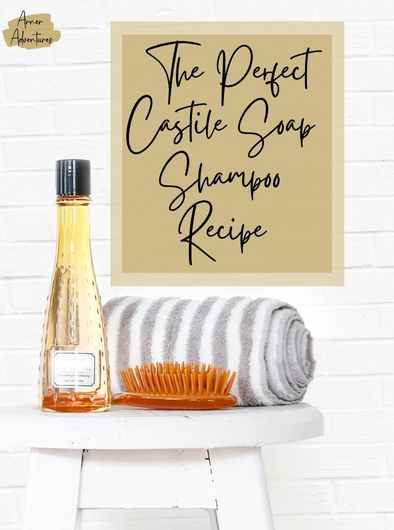
Castile Soap Shampoo Recipe
Ingredients
- 1/2 cup distilled water
- 1/2 cup castile soap (we use Dr. Bronner’s Lavender)
- 1 teaspoon of jojoba oil
- 8-10 drops of essential oils (optional- no need if you buy the scented Dr. Bronner’s.)
Directions
- Mix up all of the ingredients. It can be stored inside a jar or container of your choice, preferably glass.
- This can be stored for up to 3 – 4 weeks. We don’t wash our hair every day, so it lasts this long for us. It may vary for you.
- Follow up with coconut oil as a conditioner, then rinse thoroughly.
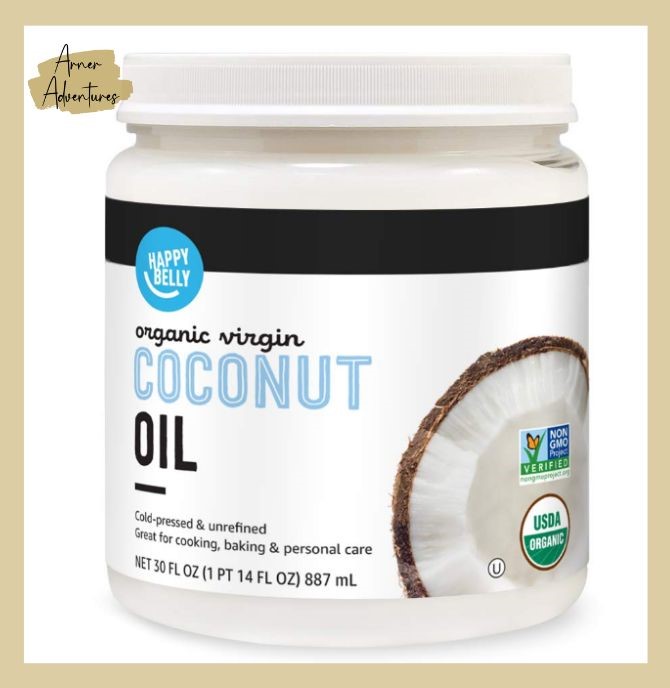
Note: Coconut oil goes a long way. I use it as a hair mask when my hair is super dry. Also, for beach days, I put coconut oil on my hair after swimming in the ocean. It helps reduce the salty dryness I usually get at the beach. Some people do the same with aloe vera.

To see other recipes we use with Dr. Bronner’s, including a very easy laundry detergent made with baking soda, visit our DIY recipes.
We hope you consider this and other natural cleaning recipes. As Dr. Bronner says, “Times will change when we change.” Let’s do better for ourselves and the environment.
Frequently Asked Questions | FAQs
It depends on your hair. For most, we recommend conditioning in some way. We use coconut oil. A little goes a long way. If you have oily hair, you may not need to. Please be mindful of your hair type, texture, and preferences.
No. Castile soap should always be diluted for hair use. Undiluted soap can be too harsh and may leave hair feeling dry.
Yes; however, we recommend Dr. Bronner’s for its organic, fair-trade, and cruelty-free practices.