

There is no shortage of places to drive in this country, but the Smokies have something most of them do not. The mountains sit low and old, wrapped in the kind of haze that gave them their name, and the roads that run through them feel like they were designed for people who actually want to slow down.
Most visitors come once and start planning the return trip before they have even left.
That said, it is an easy place to underplan. The region is bigger than it looks on a map, the drives take longer than expected because you keep stopping, and the towns have a way of absorbing more time than you had set aside for them.
Plan the Perfect Great Smoky Mountains Road Trip
A little preparation goes a long way here, not to fill every hour, but to make sure the hours you have do not get eaten up by avoidable decisions.
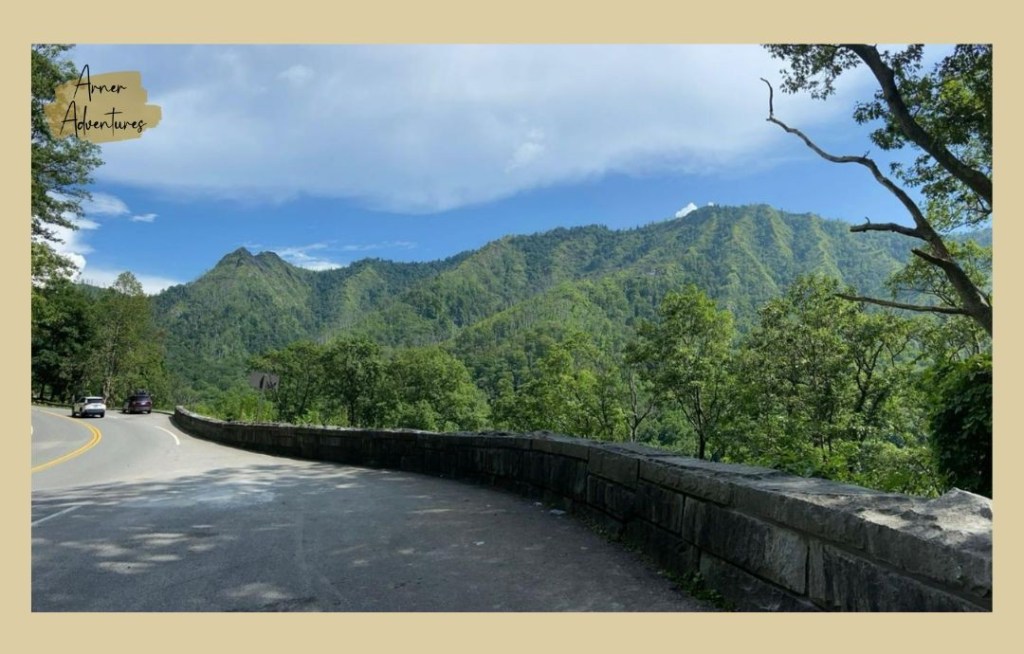
Pick a Home Base Before You Do Anything Else
Where you stay shapes everything else about the trip, more than most people account for during the planning stage. A cabin on the wrong side of the area means an extra forty minutes of driving every time you want to get into the park, and those minutes add up across a week.
Most people who know the region well end up staying close to the park entrance for exactly that reason. Cabins in Gatlinburg put you within reach of the national park, the scenic drives, and most of the towns worth spending time in.
Timber Tops Cabin Rentals is one of the best-known options in the area, with cabins ranging from small and simple to larger properties featuring mountain views, hot tubs, and game rooms. Getting the accommodation right early means the rest of the planning falls into place more naturally.
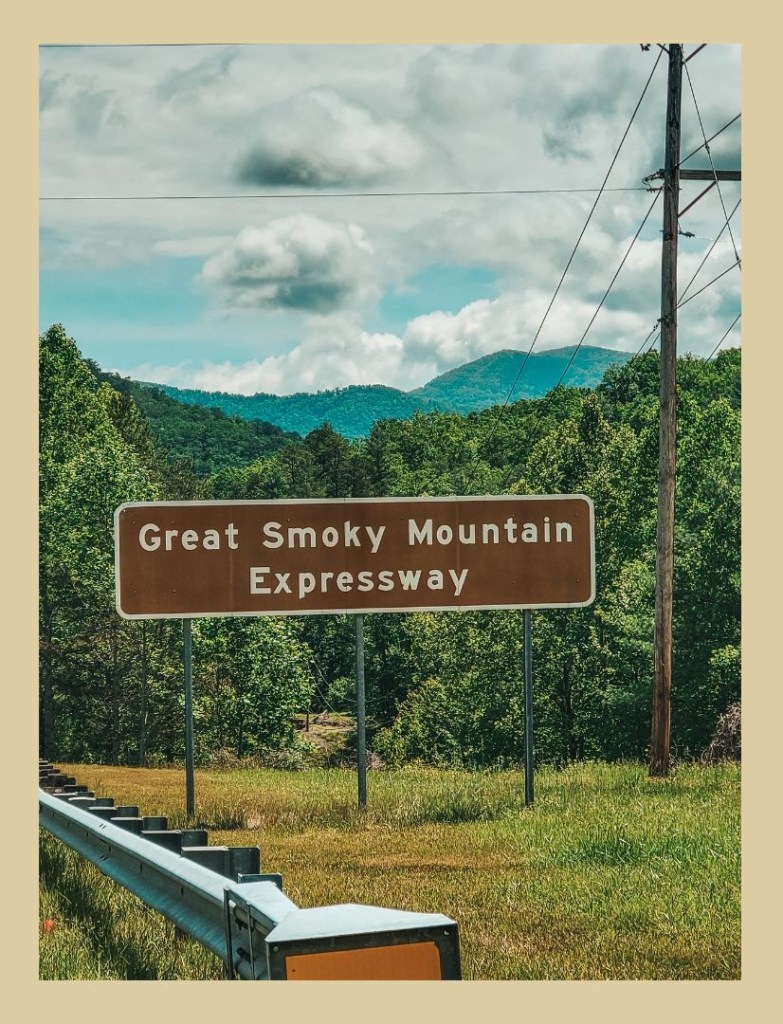
The Drives Worth Slowing Down For
The roads in the Smokies are part of the experience rather than just a way to get from one place to another, and the ones worth taking are not always the ones that show up first in a search.
Cades Cove is slower and flatter, a loop through an open valley with forest running along all sides of it. Wildlife comes with it. Deer wander into the road without much concern for your schedule.
Bears show up often enough that you should keep that in mind when you get out of the car, which you will, because something will make you stop. Early morning is better than midday if you have the choice, both for the animals and for the light.
Foothills Parkway handles the wide-open, panoramic side of things and tends to be quieter than the routes within the park proper. If the other drives feel busy, which they can during peak season, this one usually does not.

One drive done properly beats three drives done quickly. That is not advice most people follow on their first trip to the Smokies. It is usually what they say they would do differently on the second one.
The Towns Are Worth More Than a Single Afternoon
Gatlinburg is the obvious starting point, and for good reason. You can walk most of it; the park entrance is basically at the end of the main street, and if you ignore the first few blocks of gift shops and chain restaurants, there is actually decent food to be found. It gets crowded, no point pretending otherwise, but the crowds have a pattern to them.
Mornings are quieter. Weekdays are quieter. Once you figure that out, it stops feeling like something to survive and starts feeling more like a town worth spending time in.
Pigeon Forge sits just down the road and runs louder. It is not for everyone, but it earns its reputation with families, especially if younger kids are involved. The attractions are plentiful, and the energy suits people who want more activity built into the trip.
Sevierville is the quieter one. Further out, less visited, and worth half a day for anyone who wants something that feels less assembled for tourists and more like a place with its own character. The pace there is different, and the difference is obvious within about ten minutes of arriving.
Eat Like You Are Actually There
There is a genuine food culture in the Smokies that sits underneath the more visible tourist layer. Local restaurants serving regional cooking are not hard to find once you stop going to whatever is most obvious and start paying attention to where people who actually live there eat.
Farmers’ markets run in several towns during the warmer months and are worth building time around if the timing works out. Some travelers have even started treating a browse through a local grocery store as part of the experience itself, and honestly, the Smokies region gives you plenty of reason to do the same.
The smaller discoveries tend to be the ones that last. Leave room for those things, and you will find them. The Smokies reward the people who are not in too much of a hurry to notice what is in front of them.
Leave the Itinerary Looser Than You Feel Comfortable
The urge to plan every hour makes sense before the trip. It stops making sense about twenty minutes into the first drive when you pull over at something you were not expecting and spend forty minutes there.

One or two things per day that you actually commit to is enough. The Smokies are not the place for overscheduling. There is too much worth stopping for to treat any of it as something to get through.
So, book the cabin, sketch out a rough route, and pick one or two things you actually want to see. Beyond that, hold the plan loosely when you are going on a Smoky Mountain road trip.
The Smokies have a way of rearranging whatever you had in mind. A drive takes longer because you kept stopping. A town you were only passing through turns into the best afternoon of the trip.
A trail that was not on the itinerary ends up being the one you talk about afterward. That is not bad planning; that is just how the place works, and the people who enjoy it most tend to be the ones who stopped fighting that early on.
FAQs | Frequently Asked Questions
A long weekend is enough to see the highlights, but four to seven days allow you to enjoy the scenic drives, small towns, and outdoor activities at a more relaxed pace.
Spring and fall are especially popular thanks to wildflowers and colorful foliage. Summer offers warm weather and plenty of activities, while winter brings fewer crowds and peaceful mountain views.
Yes. Several scenic roads run through the park, including Newfound Gap Road, Cades Cove Loop Road, and Roaring Fork Motor Nature Trail. These routes make the park ideal for a road trip.