

Whether you’re visiting on a quick cruise stop or planning to stay a few days, there are plenty of things to do in Willemstad, Curacao.
Willemstad, the vibrant capital of Curacao, is a place where colorful streets, rich history, and a blend of cultures come together.

Our Top Recommended Things to Do in Willemstad, Curacao
Here’s a rundown of our adventure while on a Virgin Voyages cruise and what you can explore if you stay a bit longer.
Made in Curacao: Aloe & Artisans Shore Thing
During our cruise, we had the chance to experience the Made in Curacao — Aloe & Artisans tour, a special shore excursion offered exclusively through Virgin Voyages.
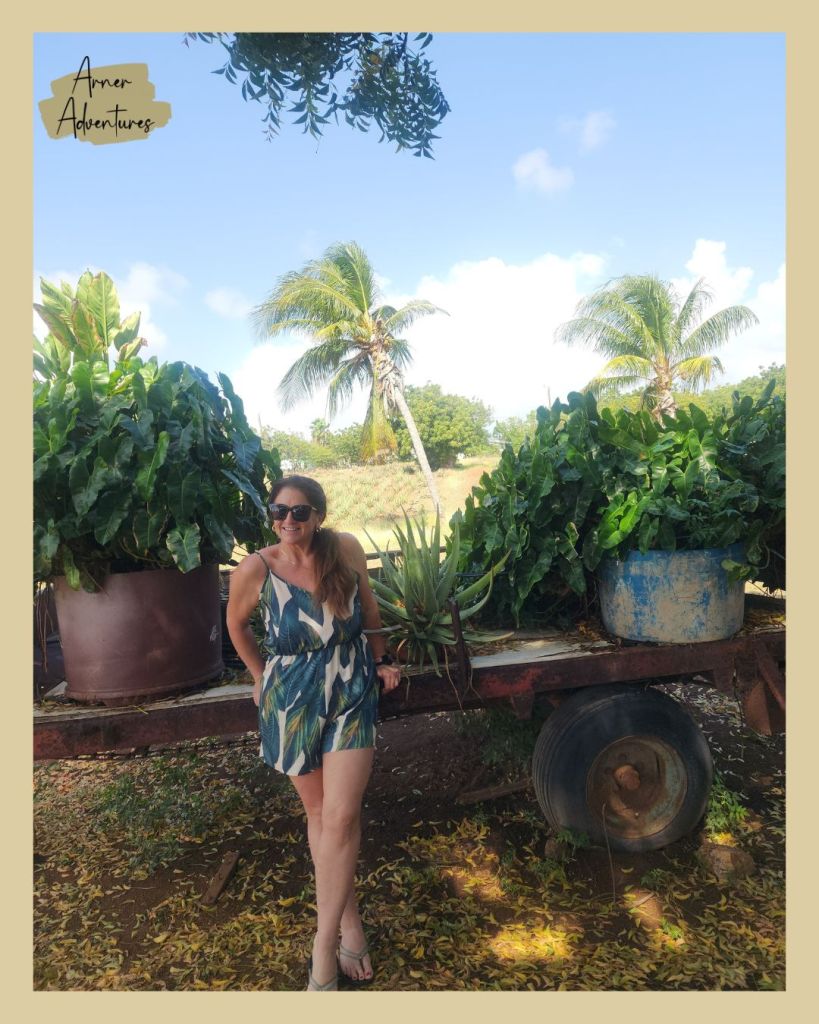
It was a unique way to explore the island’s sustainable tourism efforts, supporting women in business and eco-ethical development.
We highly encourage you to take this cultural tour if you are cruising with Virgin Voyages. However, if you are not, we will still share the included experiences because you should add them to your “to-do” list while in Curacao.

Curacao Liqueur Distillery at Landhuis Chobolobo
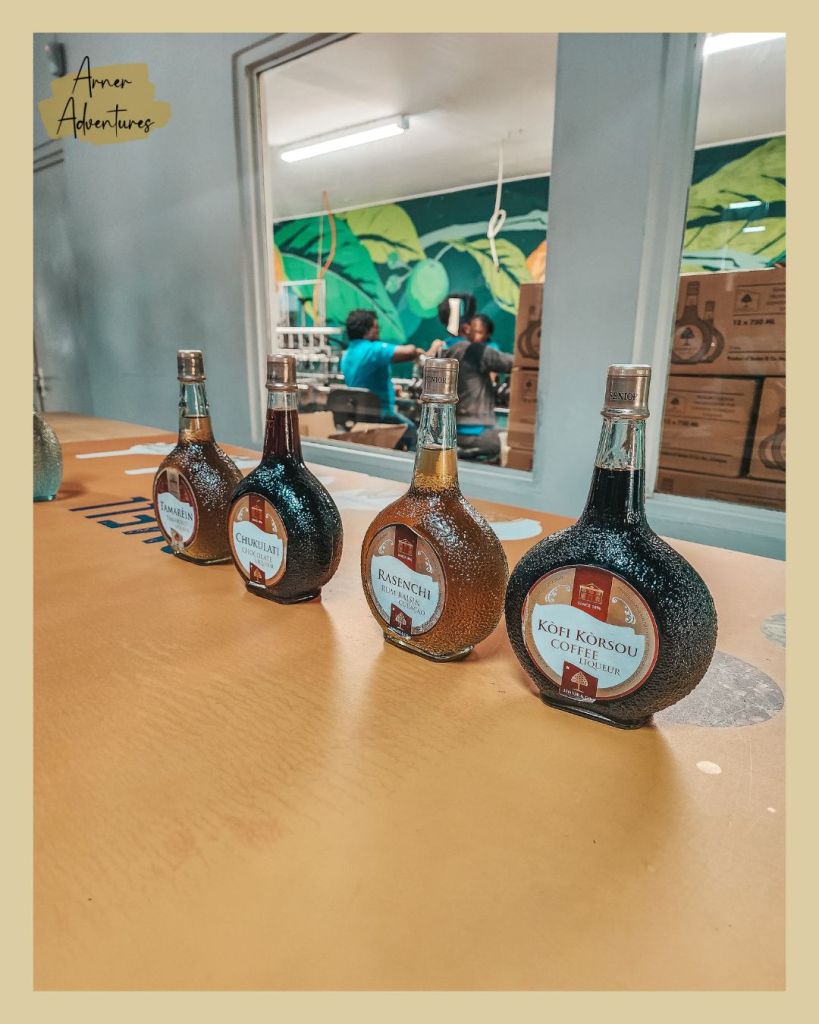
The first stop is the iconic Chobolobo Blue Curacao liqueur distillery. Here, the island’s famous Blue Curacao spirit is made from the peels of the laraha orange. We got to sample the delicious liqueur and learn about its rich history. Fun fact: the bottles are specially made in Valencia, Spain, just for this liqueur!
Serena’s Art Factory
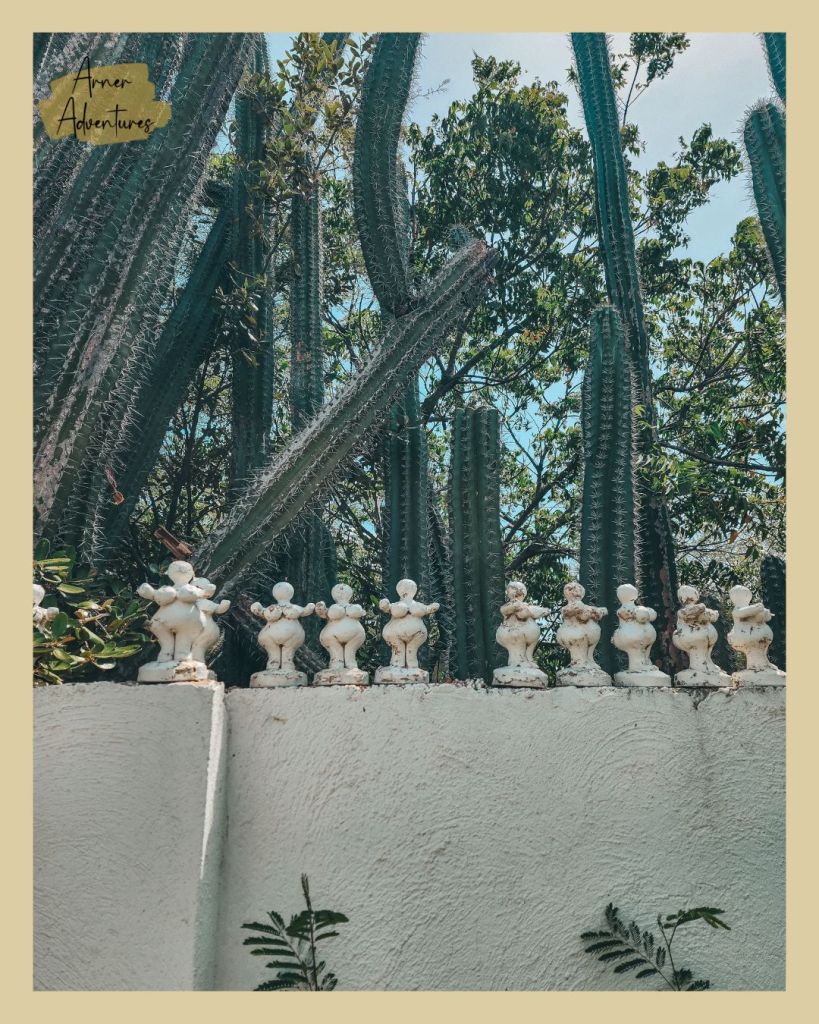
Next, we wandered through an art garden showcasing the famous Curacoa ChiChi doll.
This art garden is Serena’s Art Factory, where we learned about the history of the ChiChi dolls.
The dolls were created by ChiChi, the family’s big sister. In 2008, ChiChi (Serena) began making them, which quickly became iconic. Today, they are a symbol of the island’s craft and cultural heritage. What makes them special is the personal touch ChiChi put into looking out for her siblings as she began this venture.
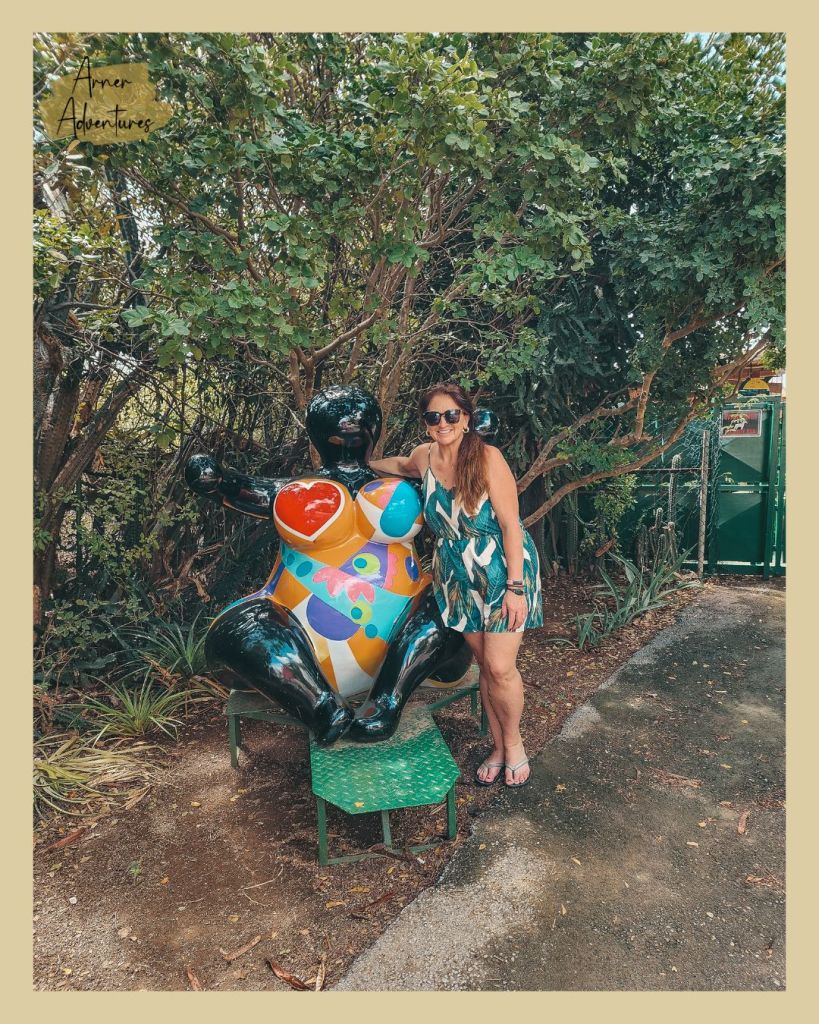
BoBo is the oldest brother in the family, but he doesn’t get a doll made for him.
The dolls are not just artistic pieces—they represent the island’s spirit, the entrepreneurial spirit, and the symbolism of respect for the siblings in a family.
Visit The Aloe Vera Farm Curacao
Curacao is known for its aloe cultivation, and we visited a local aloe farm to see the process firsthand. We learned how aloe is harvested and even made our own aloe gel to take home—a perfect souvenir and the only kind we love!
The island’s dry climate is ideal for growing aloe and plays a significant role in the local economy.

Explore the UNESCO World Heritage Site: Kura Hulanda Village
If you’re staying longer, visit Kura Hulanda Village, a UNESCO World Heritage Site. This beautifully restored village showcases the island’s colonial history and African heritage.
It’s a great place to stroll, learn about the local culture, and take in the stunning architecture.
Wander Through the Historic Streets of Willemstad
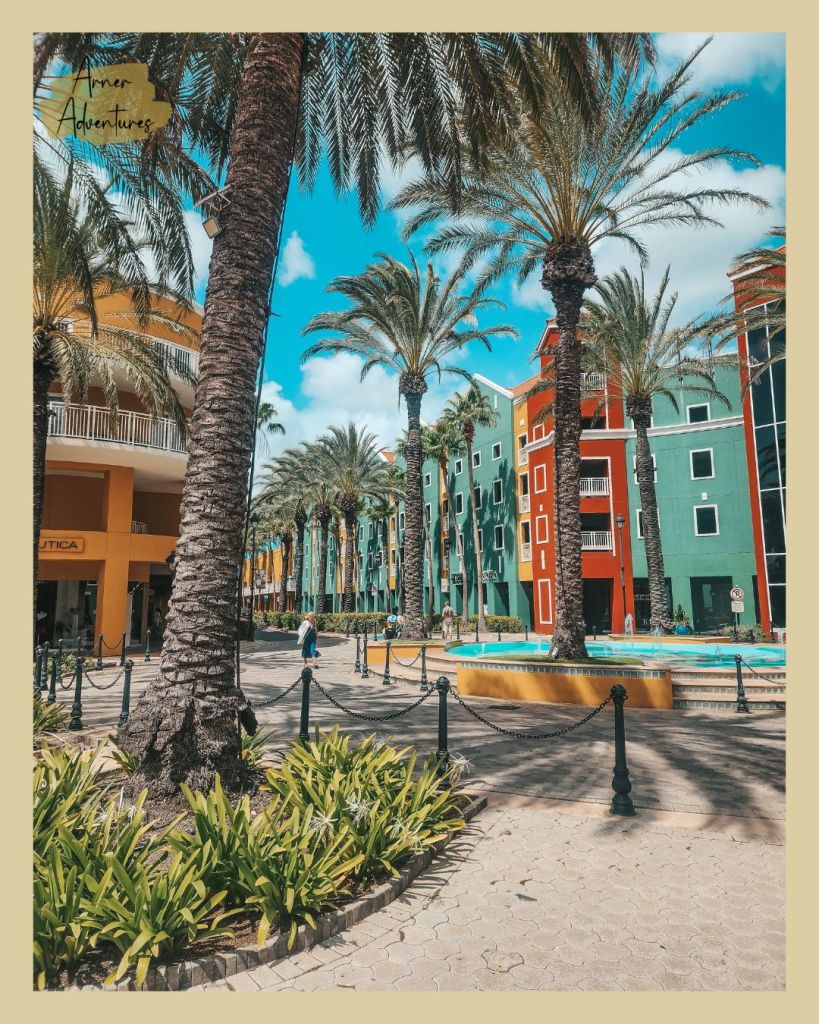
Willemstad is divided into two main districts: Punda (commercial) and Otrabanda (residential).
Walk the narrow, colorful streets and make sure to cross the iconic pontoon bridge, the Queen Emma Bridge, which connects the two sides of the city. You’ll get fantastic views of the International Harbor and Rif Fort along the way.
Visit Fort Amsterdam and Fort Rif
History buffs will love visiting Fort Amsterdam and Fort Rif, both crucial landmarks in Willemstad.
Fort Amsterdam, built in the 1600s, was the first fort on the island. Fort Rif offers a peek into the island’s military history and impressive views of the harbor. The forts are also on the UNESCO World Heritage list.
Catch a Glimpse of Venezuela
From Willemstad, you can even see the mountains of Venezuela, just 40 miles away. It’s an incredible sight and a reminder of how close the island is to the South American continent.

Local Cuisine: Don’t Miss Kadushi Soup
Curacao’s food scene blends Dutch, African, and Caribbean influences. If you’re feeling adventurous, try the Kadushi soup—made from cactus!
Locals swear by it for its health benefits, especially for anemia, as it’s packed with iron.
Relax and Unwind at Playa Kenepa or Cas Abao
If you’re looking for downtime, spend a few hours at one of Curacao’s stunning beaches, like Playa Kenepa or Cas Abao.
Both are known for their clear turquoise waters and soft, sandy shores—perfect for a day of relaxation or a swim in the warm Caribbean Sea.
Learn Papiamento, the Island’s Unique Language
While you’re on the island, you’ll notice the use of Papiamento, a local language that blends Dutch, Spanish, Portuguese, and African influences.
It’s a beautiful mix of cultures that reflects the island’s diverse heritage.
To express gratitude, locals often say “Masha danki,” which translates to “many thanks.
When it comes to positive vibes, “Dooshi” is used to describe anything that’s good or positive.
On the other hand, “Sooshi” refers to something negative or dirty. It’s fun to learn these expressions—they really show how connected the people are to their culture and their language.
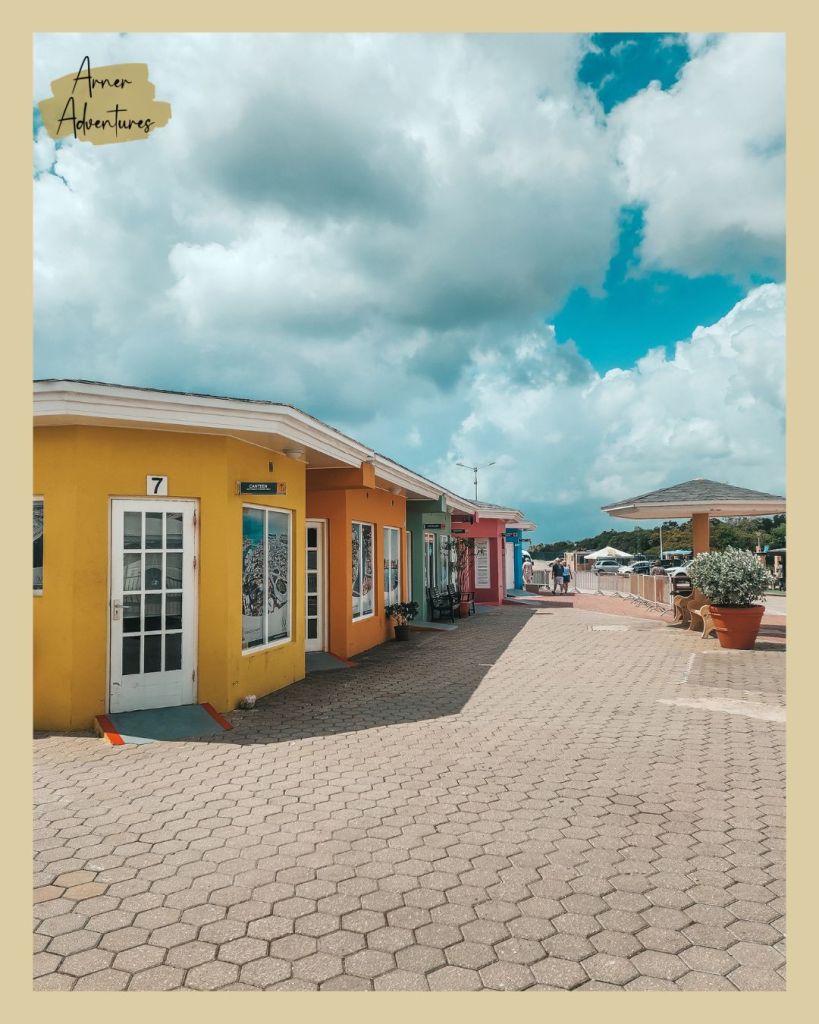
Once we were introduced to these terms, we found them everywhere: t-shirts, signs, etc.
Take a Day Trip to Christoffel National Park
If you’re staying for a few days, be sure to add Christoffel National Park to your list.
This majestic national park offers hiking trails, incredible views, and the chance to see local wildlife, such as iguanas and bird species. It’s a great way to immerse yourself in Curacao’s natural beauty.
Tidbit on Curacao’s Currency and Social System
Curacao is an island with a unique mix of influences. Though the local currency is the Netherlands Antillean guilder, the island is moving toward a Caribbean currency this year (2025).
The social system here is very much influenced by Dutch traditions. It offers great healthcare and education to its citizens, as well as a strong welfare system.

Learning About Other Cultures Makes Us Better Humans
We’ve said it once, but we will say it again: travel makes us better humans. It is important to explore different cultures than your own.
Willemstad is a perfect blend of history, culture, and natural beauty. There’s plenty to explore, whether you’re just passing through or staying for a few days.
From sipping Blue Curacao to walking through historic streets and enjoying local delicacies, there’s something for everyone. It’s a destination you’ll never forget! We cannot wait to go back.
If you find yourself on the Lesser Antilles voyage, you may want to check out our Guide for the Oranjestad, Aruba Cruise Port.
FAQs | Frequently Asked Questions
Willemstad is known for its vibrant, colorful buildings, many of which are UNESCO World Heritage sites. The city’s colonial architecture reflects Dutch influence, while its culture is a blend of African, Caribbean, and European traditions. It’s also famous for Blue Curacao, a popular liqueur made from the local laraha orange.
The best time to travel to Willemstad is during the dry season, from April to September. The weather is warm and sunny, making it perfect for beach days and outdoor activities. The rainy season runs from October to February, but rainfall is usually brief, and many people still visit during this time.
The Rif Fort has historical significance, having been constructed in the 19th century to protect the island from pirates and enemy ships. Today, it is a vibrant spot to shop, eat, and learn about Curacao’s colonial past.