
You may not think you need to look at what to use instead of a loofah, but you should.
You know, that colorful, frilly thing hanging in your bathroom. It’s probably your shower bestie, right? Well, it might be time to trade in your favorite (and perhaps seemingly unharmful and effective) bathroom item for a new alternative.
You may want to consider loofah alternatives, preferably those that do not quickly become a habitat for bacteria. Not to mention, your plastic loofah harms the environment. Seriously.

Wait, Aren’t Loofahs Natural?
The term “loofah” is often misunderstood, especially regarding what they’re made of. People often think that the loofah sponge is a healthy way to remove dead skin from their bodies.

The natural loofah is actually a plant-based sponge derived from the fibrous interior of the loofah gourd (part of the cucumber family). It’s biodegradable and eco-friendly, making it an excellent choice for exfoliating and cleaning sustainably. They are actually made of natural material.
However, many mass-produced “loofahs” aren’t natural—they’re synthetic and made from plastic, which doesn’t break down easily and adds to plastic waste. This type of product is far from being an eco-friendly loofah.
These plastic versions are typically sold in vibrant colors, sometimes called “bath poufs” or “shower loofahs.” While they look similar to natural loofahs, the key difference is their environmental impact.
The plastic ones contribute to pollution and often harbor more bacteria because they’re harder to clean thoroughly.
If you’re looking for a real loofah, look for ones labeled “natural” or “plant-based,” and avoid the colorful, plastic ones typically found in big-box stores.
What to Use Instead of a Loofah
So, what should you use instead of a loofah? Thankfully, tons of eco-friendly and germ-friendly—even budget-friendly—loofah alternatives are on the market. You must find the right option; we’re here to guide you.
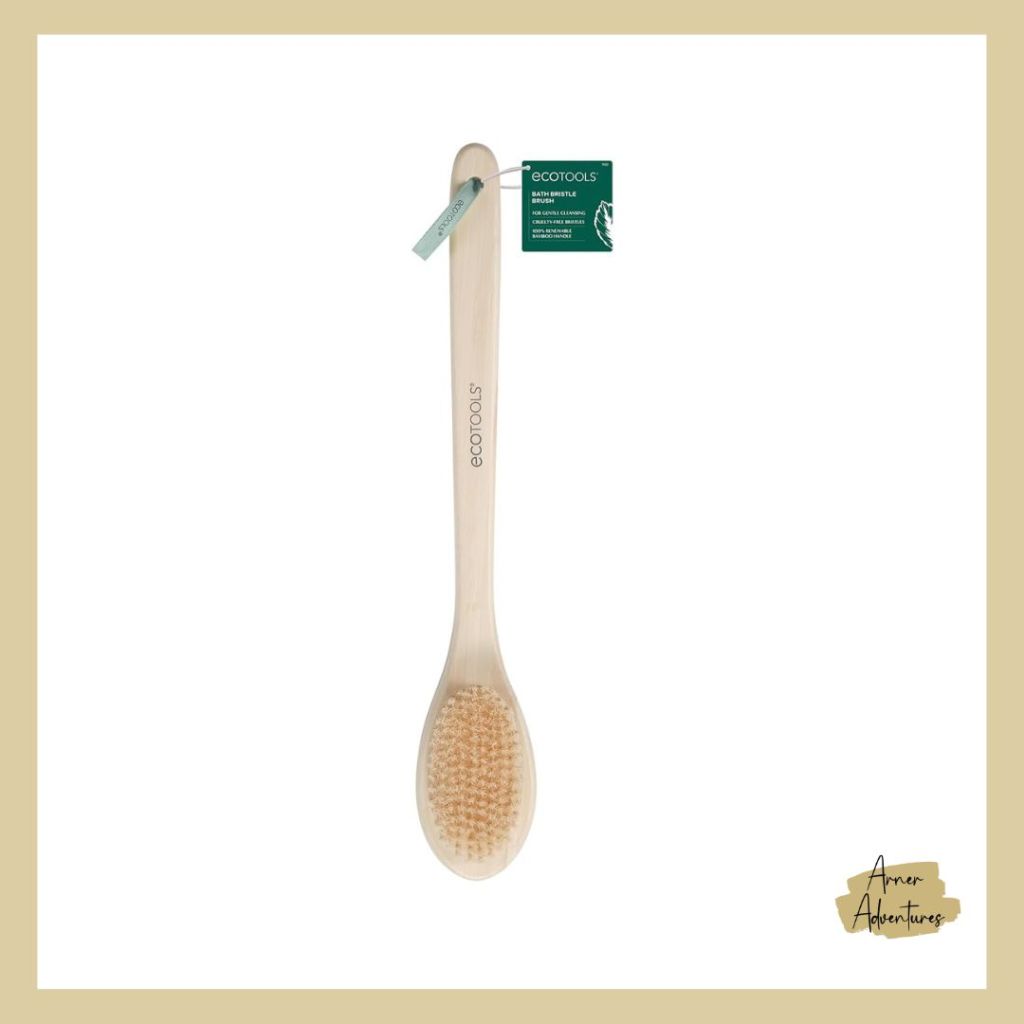
Boar Bristle Brushes
A boar bristle brush provides better natural exfoliation than any of its counterparts. It’s the perfect way to scrub a dub without inviting bacteria—as long as you allow the brush to dry completely between washes.
Like all other exfoliators, bristle body brushes must be changed every few months to ensure good hygiene.
Best Bristle Brushes
Bath Gloves
Bath gloves, or body mitts, are shower tools worn over the hand. They have a textured surface on one side (for rougher areas, like elbows) and a smooth surface on the flip side (for gentler cleansing on softer regions).
Body mitts are better than loofahs because they provide deeper exfoliation and can be thrown into the laundry to be reused later. Also, they aren’t made of plastic, so they’re good for the environment.

Best Bath Gloves
- Earth Therapeutics Exfoliating Gloves
- Supracor Body Mitt Exfoliator
- Hydrea Bamboo Exfoliating Gloves
Biodegradable Washcloth
A washcloth is one of the most hygienic options when deciding what to use instead of a loofah. It doesn’t have a bunch of notches and knacks to house bacteria. Plus, it’s easy to clean and dry.
You can find it in different textures, depending on whether you want deep exfoliation or gentle scrubbing. And it’s perfect for reaching smaller areas, like behind the ears, that are difficult to clean with a loofah.
It’s best to search for GOTS-certified products in this arena.
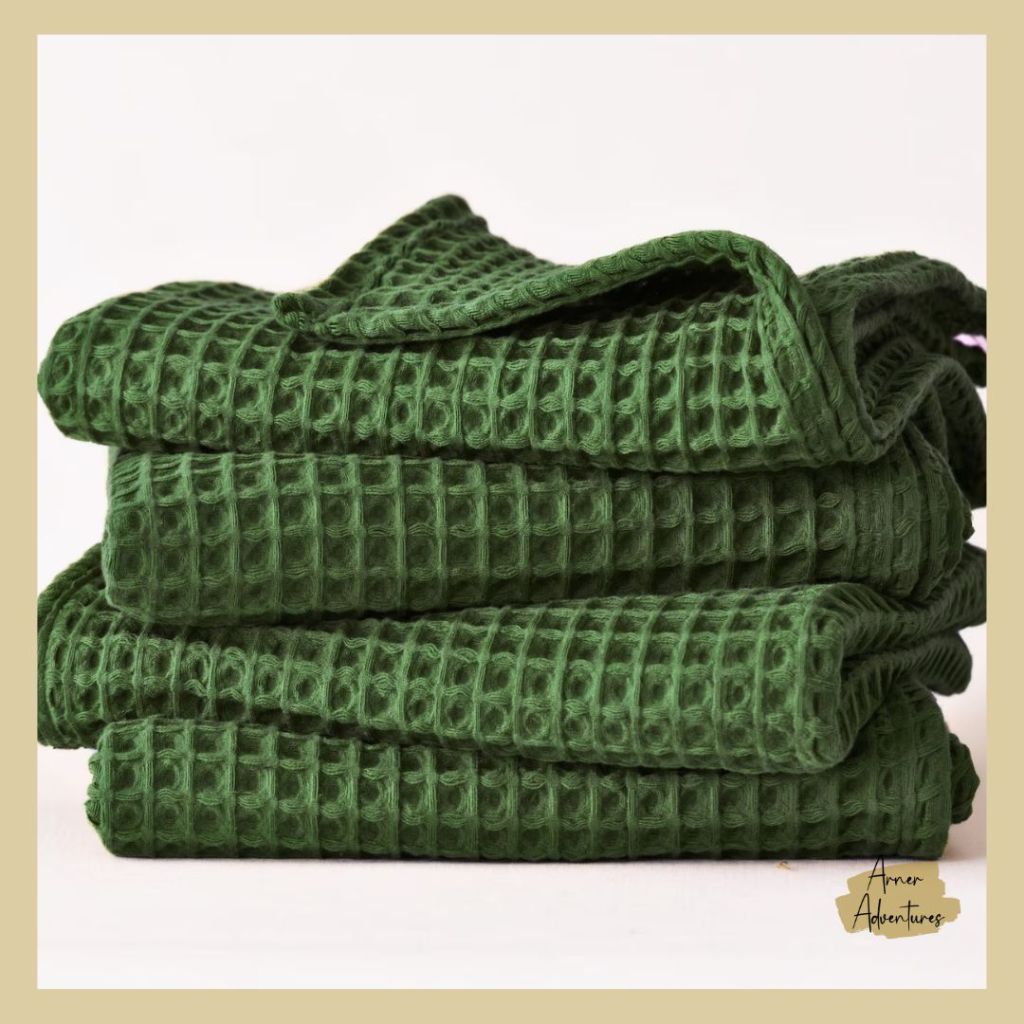
Best Biodegradable Washcloth
Sea Sponges
You can go 100% natural with sea sponges. As the name suggests, a sea sponge is a plant that grows in the ocean. Though not as abrasive as other options, it’s an excellent tool for a gentle cleanse, especially for people with sensitive skin.
To clean the sponge, simply toss it into a cup of warm water, allow it to cool, and wring out the sponge. If washed every week, you won’t have to replace the sponge for up to two months.

Note that harvesting sponges is regulated to protect marine ecosystems. Some species of sea sponges are protected, and taking them without proper permission or from certain areas could be illegal and harmful to the environment.
Buy natural sea sponges from a reputable source that harvests them sustainably. Responsible sponge harvesting allows the sponge to regenerate and continue growing, minimizing environmental impact.
Best Sea Sponges
Buffer
Still not sure what to use instead of a loofah? Try a buffer. It’s a more natural and more fantastic loofah. Made from a silicone, non-porous material, buffers don’t trap moisture or bacteria.

Thanks to their gentle surface, they’re also less likely to irritate the skin. Not to forget, buffers are longer-lasting. So you won’t be polluting the environment by replacing them repeatedly.
Best Buffers
Make Your Shower Routine a Healthy One
Removing dead skin cells is great for all skin types. As you have read in this article, not all loofah sponges are harmful or bad for you and the environment.

Do your research when you shop for items used on your body, and in your body. This also goes for what you are using in the form of body wash. You may enjoy reading about Repurposing Kitchen Staples for Skin and Body.
FAQs | Frequently Asked Questions
Yes. Since they’re made from plant material with a porous structure, loofahs can trap moisture, dead skin cells, and soap residue. This creates a breeding ground for bacteria, mold, and mildew, especially if the loofah doesn’t dry out properly between uses.
Wild ocean sponges need to be properly cleaned before use. They may contain bits of debris, marine life, or bacteria that you wouldn’t want to bring into your home.
Since natural loofahs are made from plant material, they can harbor bacteria, mold, and mildew over time, especially in a humid bathroom environment. Here are a few signs it’s time to replace it sooner: it starts to smell musty or unpleasant, you notice any signs of mold or mildew, or it begins to break down or lose its texture.