
If you are wondering why it’s best to use an organic insecticide for your vegetable garden, you’ve come to the right place.
Over the last few years, we have learned so much about gardening. When we started our garden, we knew we wanted it to be organic and healthy. We only wanted to use natural sources. It matters to us since the harvest from the garden is going into our bodies.
We recently were introduced to a book, Nature’s Best Hope by Douglas W. Tallamy. This book opened our eyes to the fact that wildlife is struggling because the plants they rely on are vanishing.

His solution? Plant more native species. He offers a roadmap for us regular folks. He paints this inspiring picture of turning our own yards into havens for wildlife. After reading his book, we now know that it is not just about our garden anymore. It’s about being part of something bigger, something that gives nature its best shot at thriving.
That process includes being more mindful about how we rid the harmful pests in our garden in a safe way.
If you are new to the gardening world, don’t let this discussion intimidate you. There is nothing like growing your own food. Here are the top 10 reasons you should start a garden.
With a Garden Comes Insect Pests
Unfortunately, when you cultivate the perfect garden for yourself and your family, you will more than likely run into a pest problem. The frustration when you notice the first leaf having damage, ugh! We won’t lie and say it didn’t bring a tear the first time we saw this in our garden.
It’s ok though. We learned that it is natural to have some garden pests now and then. The key is taking care of the situation in the first place.
Taking care of the insects through organic pesticides and the best insecticide method is where you can keep the insects living, just not in your garden. We know. This is a bit shocking to hear, but we will tell you why.
Why We Shouldn’t Kill All of the Insects
On average, a healthy garden can host hundreds, if not thousands, of beneficial insect species. Who hasn’t enjoyed the view of ladybugs hanging out? What about bees buzzing around and pollinating your veggies? It’s a sign of a healthy environment.

These critters aren’t just cute. They’re essential for maintaining a balanced ecosystem and keeping pesky pests in check. In fact, studies suggest that up to 80% of insect species in a garden are beneficial or harmless. That’s a staggering majority! So, when you’re tending to your garden, remember to welcome these tiny allies with open arms – they’re the secret sauce to a thriving, pest-resistant paradise.
Why We No Longer Use Diatomaceous Earth
When we first moved to our coastal bungalow, even before we had our garden, we started noticing yard fleas and insects that were a nuisance. We knew that we wanted something with no, or low toxicity since we did not want Betty, our pup, getting into anything that would harm her. We also have our cat colony project, that we want to protect.
An old reliable resource is diatomaceous earth (DE). Sure, it works, but what we have learned is that it is not the best choice. While DE can be effective against pests with exoskeletons like ants and beetles, some pests, like aphids or caterpillars, might not be as phased by it. It can also have unintended consequences for the environment.
When it’s applied, it can settle in soil and potentially affect non-target organisms like earthworms, which are vital for soil health. We love our earthworms and know how important they are to every organic gardener. Worms are a blessing to your composting.

So, while diatomaceous earth has its perks, especially on fleas, it’s essential to weigh these factors against your garden goals. It’s best to explore other organic insecticide options that might better suit your needs. We’ll share some with you.
The Best Organic Insecticides for Your Vegetable Garden
We will share the best organic insecticides for vegetable gardens or any garden you are growing. Even better? You can make most of them yourself.
You will need a good spray bottle. If you can get a glass bottle, that is even better. Again, learning lessons here.
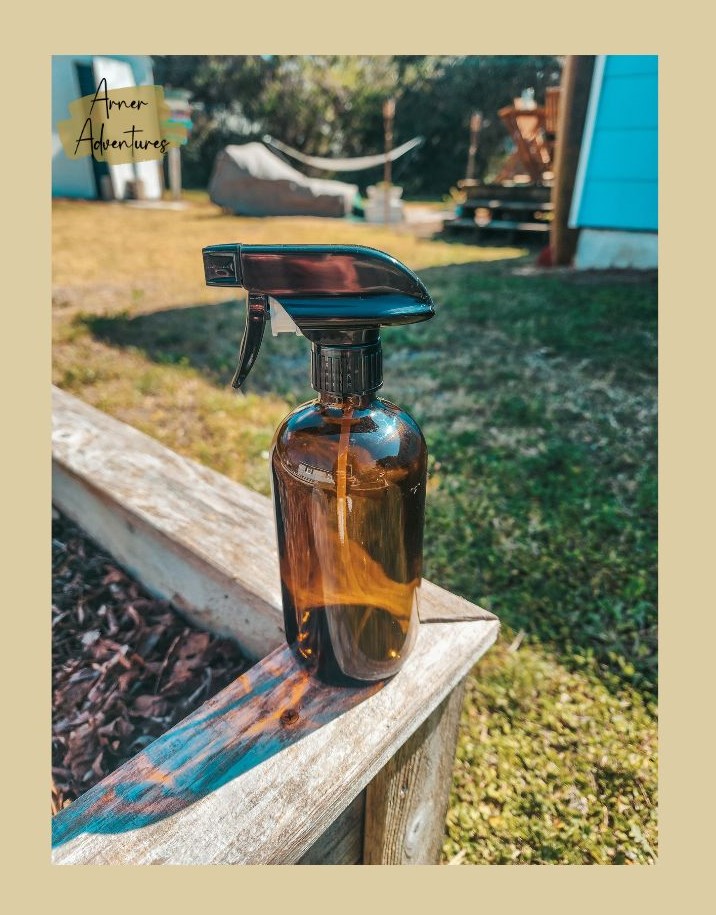
The plastic spray bottles that we have had in the past have spent a significant time outside. The weather, more specifically, the sun, breaks down the plastic, and it gets into the water, or solution you have in the bottle.
We love these amber glass spray bottles. They are super affordable and come in packs of two. We use them for our insecticidal soap solutions, as well as DIY cleaners for inside our home.
1. Vegetable Oil Spray
If you’ve been dealing with pesky insect problems in your vegetable garden, we’ve got a simple solution. Say hello to homemade vegetable oil spray – your new secret weapon against garden pests, straight from the comfort of your own kitchen!
All you need to whip up this potent insecticide are some everyday ingredients: vegetable oil and a dash of mild dish soap. Yep, it’s that easy! No fancy chemicals or complicated processes are required. Just mix the solution up, spritz ’em on, and watch those troublesome critters scatter like leaves in the wind. Your veggies will thank you for it!
How to Make Your Vegetable Oil Spray
- Grab a container (not your glass spray bottle). Mix one cup of vegetable oil with one tablespoon of non-toxic dish soap. We use Seventh Generation Dish Soap.
- When it’s time to do some insect-bustin’, grab your trusty spray bottle. Pour in 1 teaspoon of your oil mixture (from step 1) and add 16 ounces of water. Seal it up again and give it another vigorous shake to make sure everything’s blended nicely.
- Now comes the fun part – spray the mixture directly onto the surfaces of your plants where those pesky insects are causing trouble. Coat ’em well and watch those critters scatter like confetti at a garden party!

2. Mild Soap Spray
Get ready to wield the power of nature’s cleansing agent – soap spray! This organic insecticide is a must-have in your gardening arsenal, offering a gentle yet effective solution for keeping pesky pests at bay. With just a few spritzes, you’ll have the upper hand against a whole host of garden invaders, including:
- Spider Mites
- Aphids
- Scale Crawlers
- Mealybugs
- Whiteflies
- Beetles
Why the soap spray, without the vegetable oil? Both DIY sprays can help keep your garden pest-free, the vegetable oil spray offers a bit more versatility and staying power, especially against a wider variety of critters. We include both because some people prefer one over the other. We do not have vegetable oil in our home, but we know some people do.
It’s like choosing between a basic broom and a high-tech vacuum cleaner – both get the job done. Say goodbye to those garden gremlins and hello to a thriving, and healthier vegetable garden.

How to Make Your Soap Spray
- Add three-quarters (3/4) of a teaspoon of mild liquid soap to your 16 oz bottle.
- Fill the bottle with water until it reaches the top.
- Secure the bottle cap tightly and give it a good shake to blend the soap and water.
- Now, you’re all set to spray and protect your garden from those pesky pests!
3. Neem Oil Spray
Neem oil spray stands tall among the top organic insecticides for vegetable gardens, offering a potent yet eco-friendly solution. Its biodegradable nature and non-toxic properties make it a safe choice for all creatures sharing your garden space, including birds, pets, fish, and other wildlife. So, while it’s tough on pests, it’s gentle on the environment and your beloved garden companions.
How to Make Your Neem Oil Spray
- Start with 1 teaspoon of neem oil.
- Then add 1/2 teaspoon of mild liquid soap.
- Finally, fill your bottle with water, shake, and then spray on the affected plant foliage.
4. Garlic Spray
We love using kitchen staples for DIY solutions. It just always feels so much safer, cleaner, and healthier. A kitchen staple that packs a punch against garden pests? Garlic! Renowned for its potent aroma, which can be appetizing to some and repelling to others, garlic serves as one of the best natural pesticides.

Its strong scent acts as a deterrent, creating a barrier against unwanted visitors in your garden. It takes a bit more effort to put this one together, but it’s a powerful natural insecticide, worth the process for your organic gardening.
How to Make Your Garlic Spray
- Get 2 bulbs of garlic. Hey, maybe you are growing some!
- Blend them up with a bit of water until smooth.
- Let it sit overnight.
- Strain the mixture into a quart jar.
- Add half a cup of vegetable oil and a teaspoon of mild soap.
- Fill up the rest of the jar with water.
- Pour the mixture into your spray bottle when you’re ready to get to work.
The Non-DIY Route for the Best Organic Insecticides for Vegetables
We get it. Sometimes, you just aren’t into the DIY homemade insecticide approach. There are plenty of pre-made organic insecticides ready to tackle your garden pests on the market.
We did our research and found organic options out there, but we only recommend one. Why? Because all of our trusted resources, including master gardeners we know and respect, say that this one is safe for you, your garden, and the environment.
Arber Organic Bio Insecticide Concentrate
Arber’s Bio Insecticide is a powerful yet gentle solution for your garden. Crafted with beneficial bacteria, it shields your plants from pests without harming helpful insects or pollinators. With over 20 natural compounds, it packs a punch against even the toughest bugs and nematodes.
This wonder spray works in three ways: it breaks down the exoskeletons of adult insects, disrupts molting in nymphs, and controls pests through ingestion. Versatile and effective, it’s suitable for use on veggies, fruits, and anything you are growing in your yard.

Say goodbye to aphids, fungus, gnats, mites, and a host of other garden nuisances. Arber’s Bio Insecticide has got your back, keeping your plants healthy and thriving.
This is a concentrate, so you will need to mix it according to the directions on the bottle.
Tips for Your Insecticide Practice
In general, it’s best to err on the side of caution when using insecticides on plants. While we are not master gardeners (yet), we have learned a lot as we have maneuvered the best way to take care of our vegetable garden. We always share tips and strategies that we use for our healthy plants.
Here are some additional recommendations for more specific situations you may encounter in your garden.

Timing
The best time to apply organic insecticides is typically in the early morning or late evening when temperatures are cooler and winds are calmer. This timing helps minimize evaporation and ensures that the spray has time to settle on the plants before the heat of the day kicks in. Plus, it reduces the risk of harming beneficial insects like bees, which are often more active during the warmer parts of the day.
Young Plants
Since young plants are more delicate and sensitive to treatments, it’s crucial to follow the instructions carefully and use the insecticide at a lower concentration. Additionally, it’s a good idea to test the insecticide on a small area of the plant first to ensure there are no adverse effects.
Natural Predators
Natural predators silently patrol the greenery, keeping pests in check. You want the natural predators around, which is why we are mindful of not using chemical pesticides that could harm them.
From ladybugs munching on aphids to lacewing larvae devouring pests, these tiny warriors play a vital role in your vegetable garden. Even ground beetles hunt for prey in the soil. Birds swoop down from above to do their thing. You want to make sure you are not using an active ingredient that will harm them.
Even frogs and spiders spin webs to catch insects that could be a danger to your vegetable garden. Together, these predators maintain balance, keeping your vegetables healthy without harmful chemicals.
Consider the Organic and Safe Route for Your Vegetables
For the continuity of an ecosystem, killing all insects is not the solution since there are beneficial insects. But, properly controlling them by using the above-described organic insecticides. Using organic pest control methods will make your home garden beautiful and it won’t harm nature.
We hope you will consider one or more of these options. If one doesn’t mesh well with you, try another. We assure you that these botanical insecticides are a much better resort to the harsh chemicals that are on the market. After all, you don’t want to ingest those chemicals, do you?

FAQs | Frequently Asked Questions
Organic insecticides are made from naturally occurring substances, such as plant oils, soap, or bacteria, and are used to control pests in gardens without synthetic chemicals.
The frequency of application depends on factors such as the severity of pest infestations and the specific insecticide used. It’s always best to test your strategy. We have found that severe instances may need application 7-10 days until it is no longer an issue. Your situation may be different.
A natural and effective way to wash vegetables from your garden is with a vinegar solution. Mix equal parts water and white vinegar, then soak your veggies in the solution for a quick cleanse. Rinse thoroughly with cool water and pat dry, leaving you with clean and fresh produce straight from the garden. It’s a simple, eco-friendly method that helps remove dirt and impurities without harsh chemicals.