

If you are suffering from aches and are anxious, you may be asking yourself, “Does anxiety cause back pain?” The simple answer is yes. We can tell you why, our experience with it, and ways to combat it.
We both are sufferers of anxiety disorders. We can speak from experience that chronic stress has a big impact on your physical health. I (Shannon) have lost hair, my fingernails, and poor skin health, and those are just a few of the issues anxiety and stress cause. Chronic pain, poor posture, and just all-over muscle tension can all be symptoms of anxiety.
If you want some tips on keeping good posture, you may want to read Posture Exercises.
Anxiety and Stress Levels are Harmful to Your Health
There is a strong relationship between anxiety and back pain in the human body. Anxiety or chronic anxiety can contribute to causing back pain or lower back pain by acting upon several body mechanisms.

A 2013 study suggests that patients struggling with back pain or chronic back pain were found to be due to anxiety. Before digging in too deep, you should consider how and why you experience back pain when you get anxious.
Increased anxiety can cause the muscles to tense up without you even knowing it. Think about how it feels to be in stressful traffic. You may not even realize how much you were grabbing the steering wheel, freezing your whole body, simply due to the psychological factors from the anxiousness.
Traffic is one example. If you are someone who deals with this amount of traffic every day, well, that can have chronic results. Despite the type of anxiety or stress you are suffering from, the result is a never-ending cycle of pain and anxiety for many people.

If you are someone who suffers from physical pain in any form, please know, you should go see a medical professional. Before using Google (or this blog post) to diagnose yourself, the first step is to make sure you have determined exactly where the pain is coming from.
Anxiety Symptoms
While back pain can be a byproduct of anxiety, it can also be reversed. Anxiety can be a consequence of having back pain. For the purposes of our discussion and experience, we are going to share with you how anxiety has caused severe pain in our backs. It has also caused neck pain.
When anxiety hits, your body gears up like it’s about to tackle invisible stress monsters. We talked about the traffic jam example. This tension can really mess with your muscles, especially those in your back. Everyone is different, in how they experience stress-related back pain. Gerry and I usually have muscle pain in our lower backs but many can have upper back pain.
When your back is knotted up and uncomfortable, there really are no rules as to where the pain can present itself. To add insult to injury, when you’re stressed, your breathing gets shallow, leaving your muscles gasping for the oxygen they need to relax. It’s like your body’s pulling a mean prank on you, serving up back pain right when you need to be on top of your game. This can also lead to panic attacks. Hi, it’s us! We experience the vicious cycle of all of this.

Speaking of anxiety attacks, have you tried the 54321 Grounding Exercise? It is a great practice for those of us who suffer from intense anxiety.
How Anxiety Causes Back Pain
According to Harvard Health, anxiety doesn’t just cause back pain but it is most definitely related. Massage therapists and those in chiropractic care agree. Emotional stress and anxiety most definitely affect the nervous system and can cause muscle spasms as a stress response.
The Harvard Health article references that vicious cycle. Some of us, when we are in stressful situations, begin to experience pain of some sort as it manifests into physical symptoms. That stress hormone can kick in and we begin to fear that this is not going to get better. Us “doom and gloom” folks can almost sink into a deeper form of even more causes of back pain. You may notice a few things as this begins to happen.
Changes in Posture
In a situation where you are experiencing anxiety, you may also remember how rapidly you change your postures and behaviors. If you follow some of the uncomfortable postures when you experience anxiety, this will cause back pain as a result of that.

Inactivity
Anxiety can interfere with your daily activities and quality of life. A lack of exercise may be due to pain, or anxiety. However, when you are not moving, or not getting regular exercise, you can experience depression and other physical issues.
Hypersensitivity
Another issue related to anxiety is hypersensitivity. Mental health professionals have found that chronic low back pain can make one more sensitive to other issues. If you are an HSP (Highly Sensitive Person) you may find our Free HSP Toolkit helpful.
Lack of Sleep
We have talked about how important a good night’s sleep is to your physical well-being. Those who are not getting enough sleep tend to have many risk factors when it comes to their wellness, including mental health conditions.
What can you do to reduce anxiety and back pain?
It’s not all bad news. There is, in fact, some good news when it comes to this circle of high levels of anxiety and the aches and pains of the body. There are stress management techniques, as well as daily life habits that help.
Deep Breathing
Take slow, deep breaths to calm your nervous system and loosen those tense muscles. Inhale the good vibes, exhale the stress. We both have white coat syndrome (fear of the doctor’s office). One of us has more of this than the other, but we digress. We have both found that if we practice mindful, deep breathing, muscle tightness seems to not be as prevalent. Probably the biggest factor is that when our blood pressure is taken at the end of the visit, it is better than it was at the beginning.
Exercise
Get those endorphins pumping with some exercise. Whether it’s a brisk walk in the morning, a yoga practice, or a cardio session in your living room, moving your body can work wonders for both anxiety and back pain. Be sure your medical professional has cleared you for physical activity.
Stretching is a really great activity that helps reduce anxiety. We love stretching in the morning. We feel it has a significant impact on the way our day goes.
Mindfulness and Relaxation Techniques
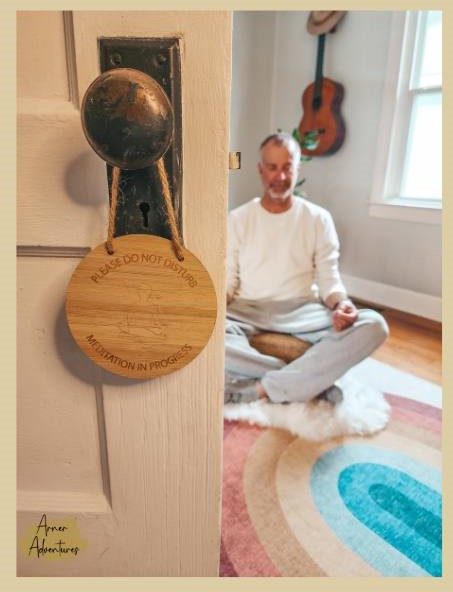
Practice mindfulness meditation or progressive muscle relaxation. Gerry is a big proponent of practicing relaxation techniques. There are plenty online you can listen to. It is easier than you think. We have an easy mindful meditation practice that can be beneficial to soothe your mind and body.
A Balanced Diet
Fuel your body with nutritious foods, and stay hydrated. A happy body is less likely to experience pain. Hydration is an understatement. It seems like when you are less in the mood to down water is when you need it the most.
We add Liquid IV to our water each day, which is a great way to get your hydration in, and they have flavors to appease anyone’s tastes. You can save 20% and receive free shipping by using code: ARNERADVENTURES at this Liquid IV link.
Heat Therapy
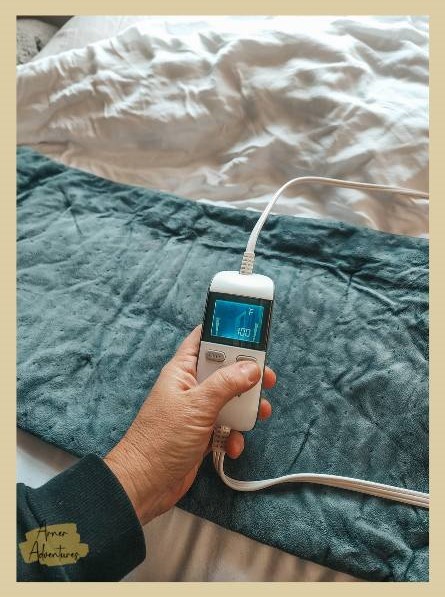
Again, seek the proper treatment for any physical stressors or pain. We have found that ending the day with a heating pad not only helps to bring a sense of calm, but it can alleviate discomfort and reduce inflammation. We’ve tried out several heating pads, but we love the Boncare Heating Pan because it is not only comfortable to lie on, but it has auto-shutoff and temperature adjustments.

Seek Support
Talk to a friend, family member, or therapist about what’s weighing on your mind. Sometimes, just getting it off your chest can lighten the load and ease both anxiety and back pain. You can find your mental health match to work through a therapist of your choice.
Psychological Stress is a Pain
But seriously, by considering all the above factors, we think you can see that anxiety can cause back pain by acting upon several mechanisms in the body. If you are also someone experiencing frequent anxiety, join the club. It is an active daily practice to be mindful of what we can do to help alleviate anxiety and stress.
Disclaimer: We are not medical professionals. Always seek the advice of your physician or other qualified health providers with any questions you may have regarding a medical condition. Never disregard professional medical advice or delay in seeking it because of something you have read on this Website. Please also review terms & conditions for the legal verbiage regarding this.
FAQs | Frequently Asked Questions
Unresolved stress, anxiety, or past traumas can manifest as tension in the back muscles, leading to chronic discomfort. It’s like our bodies are speaking to us, telling us that there’s more than just a physical issue at play. By addressing the emotional aspect through therapy, mindfulness practices, or journaling, we can often find relief not only for our minds but also for our aching backs.
Practices like progressive muscle relaxation, where you systematically tense and then release each muscle group in your body, can be particularly effective for easing tension in the back. Gerry does this often, and he swears by it!
When we’re feeling anxious or stressed, we often slouch or hunch over, which can put extra strain on our back muscles and spine. Over time, this poor posture can contribute to chronic back pain. It’s like a vicious cycle: anxiety leads to bad posture, which then exacerbates back pain, creating even more stress. It sucks. We get it.