

The topic of how to save trees is a big one, right? It may seem significant, but there are small steps you can take that go a long way in helping to do just that: save trees.

Why Save Trees?
You don’t have to be a tree-hugger to want to save trees. When you think globally, you look inward at what you can do on a micro-level to help the environment.
Ever since we downsized and became more mindful of living as sustainably as possible, we have thought more about how our everyday decisions help.
Trees do indeed need saving. Due to climate change, forests are struggling to provide key ecosystem benefits that we depend on them for, like water, clean air, and even recreational fun and adventures!
Besides, how do you go forest bathing without a forest?
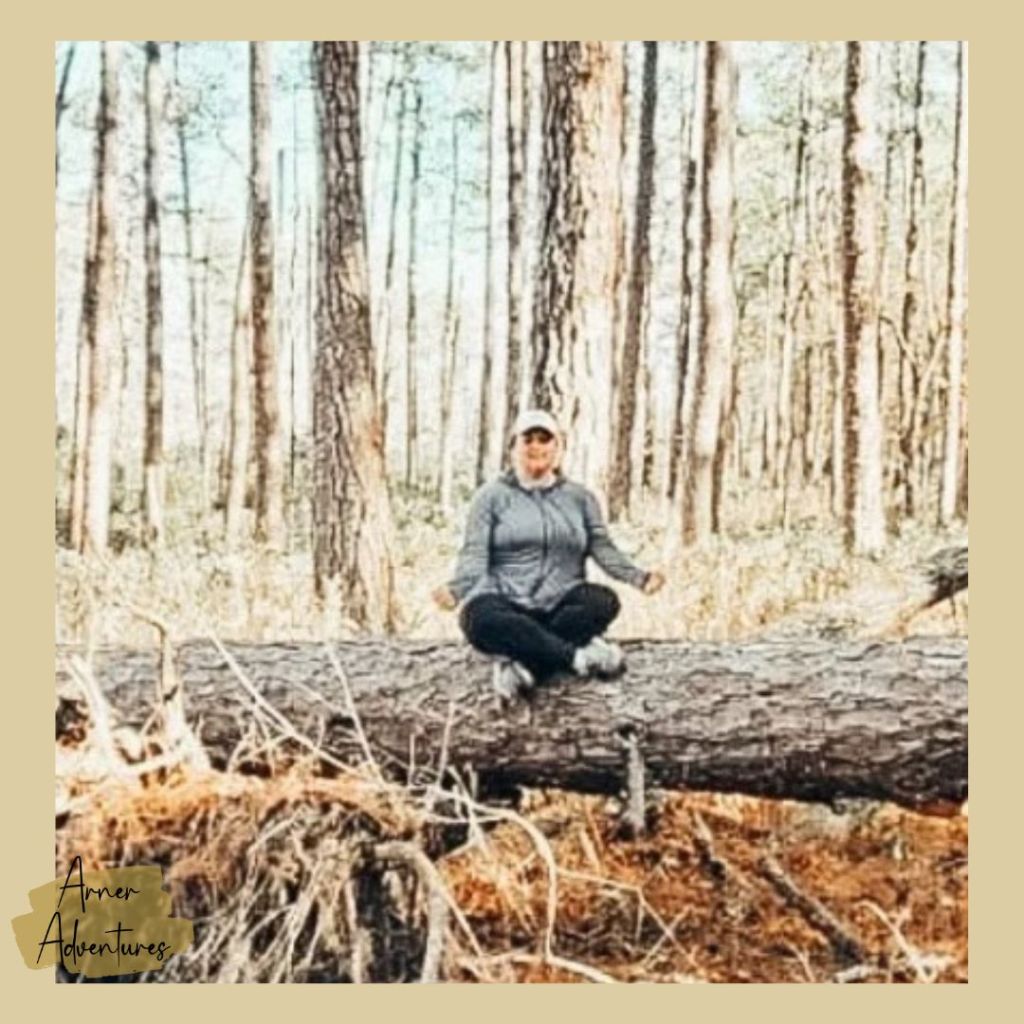
We need to conserve trees not only for the oxygen they provide, though that seems pretty important. We also need to save trees for the wildlife that depends upon them.
Deforestation is already depleting many animals from their natural habitats. As a result, they begin entering our urban dwellings and becoming hurt, killed, or even prey for hunters.
How to Save Trees
Hopefully, we have convinced you that we should all be saving trees. If so, you may be wondering what you can do to help. Is it even possible? Yes. Let’s go through some things you can do.
Make Smart Purchasing Decisions
We always try to shop from sustainable and ethical brands. Dr. Brian Bender, founder of Canary Upcycled, an organization that empowers outdoor enthusiasts to help monitor the health of forest ecosystems, suggests we choose products with certifications like Forest Stewardship Council (FSC) and Sustainable Forestry Initiative (SFI).
These certifications help distinguish brands committed to sustainable tree harvesting practices. The Rainforest Alliance Certification also indicates sustainably harvested timber and other eco-friendly agricultural products.
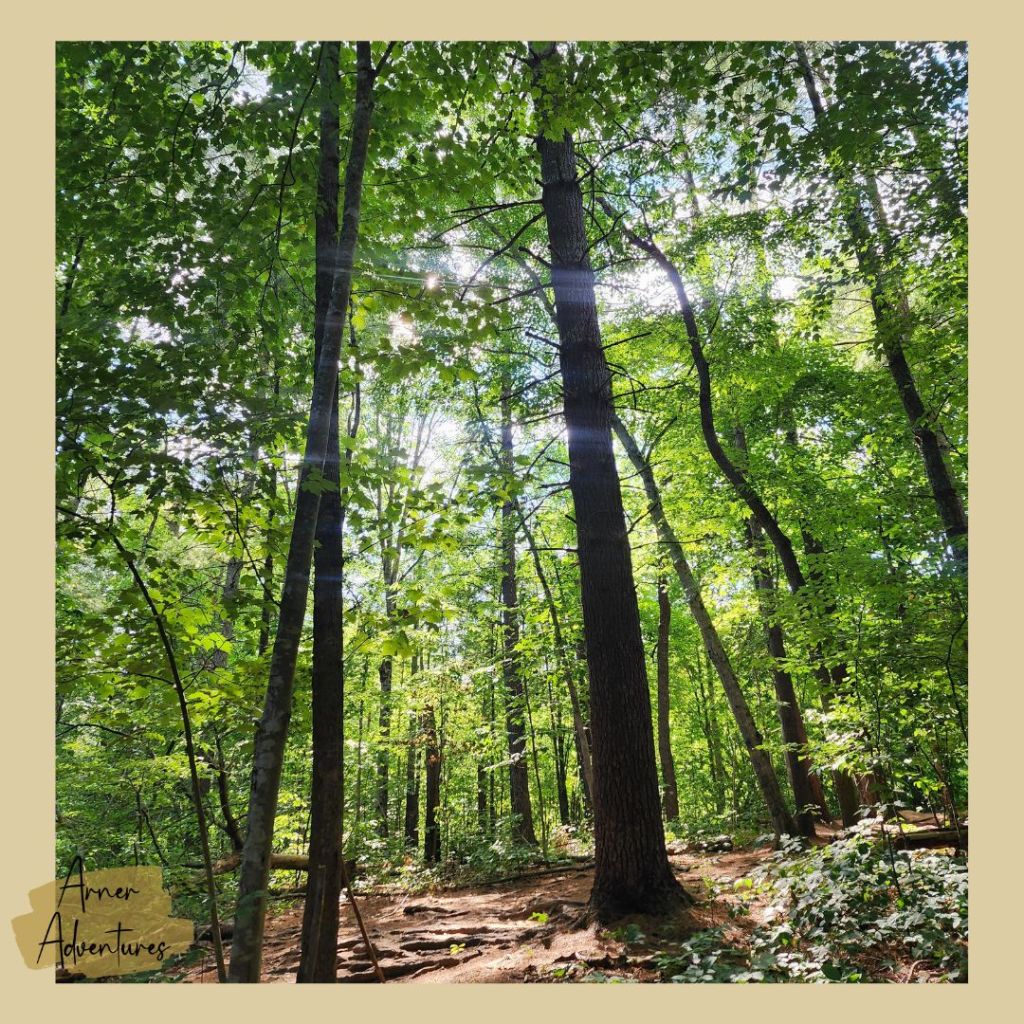
These certifications also ensure that materials come from responsibly managed forests.
Choose Sustainable Products
Speaking of purchasing, Samuel Davis, an Ecologist and the CEO of London Gardeners, advises choosing items made from recycled or responsibly sourced materials. This helps lower the demand for new wood, which in turn helps protect forests from being logged.
We have made some changes in this arena, such as switching to bamboo toilet paper, no longer using paper towels, opting for cloth towels instead, and going digital with almost everything we can.
Choose Native Plants + Green Space
It seems like every newly constructed neighborhood takes down most of the trees only to plant trees that may or may not be native to the area and may not live past the new home’s closing.
John Haryasz, a horticulture writer and landscape designer at Privacy Shrubs, recommends planting trees and plants native to the area. According to Haryasz, These trees won’t be set up for failure regarding watering, can handle local insects, and support local wildlife, which helps create a balanced ecosystem.
Haryasz says there is more you can do, “Participate in the efforts of local planning committees to block the trees that are already there and also push for more trees and greenery in places of development.”

Reduce Paper + Say No to It
Hot tip: Recycled paper is better than standard paper, but reducing paper consumption and going digital can do amazing things on a micro level.
Cloth can be used to make wrapping paper, and it makes adorable gift wraps. Even better, consider these minimalist gift ideas to go completely paperless.
When someone hands you a business card, ask them for a digital version.
Say no to plastic, paper, and bulky packaging. The more we all turn down packaging, the less demand there will be for it.
Cancel the waste by stopping the junk mail that comes in.
Go Plant a Tree
Seriously. If you have the yard or space to do so, plant a tree. We planted one when we moved to our home a few years ago, and not only did it thrive, but another tree grew behind it.
We didn’t plant it, so we assume the seed was spread by a squirrel. Who knows?! We love it either way.
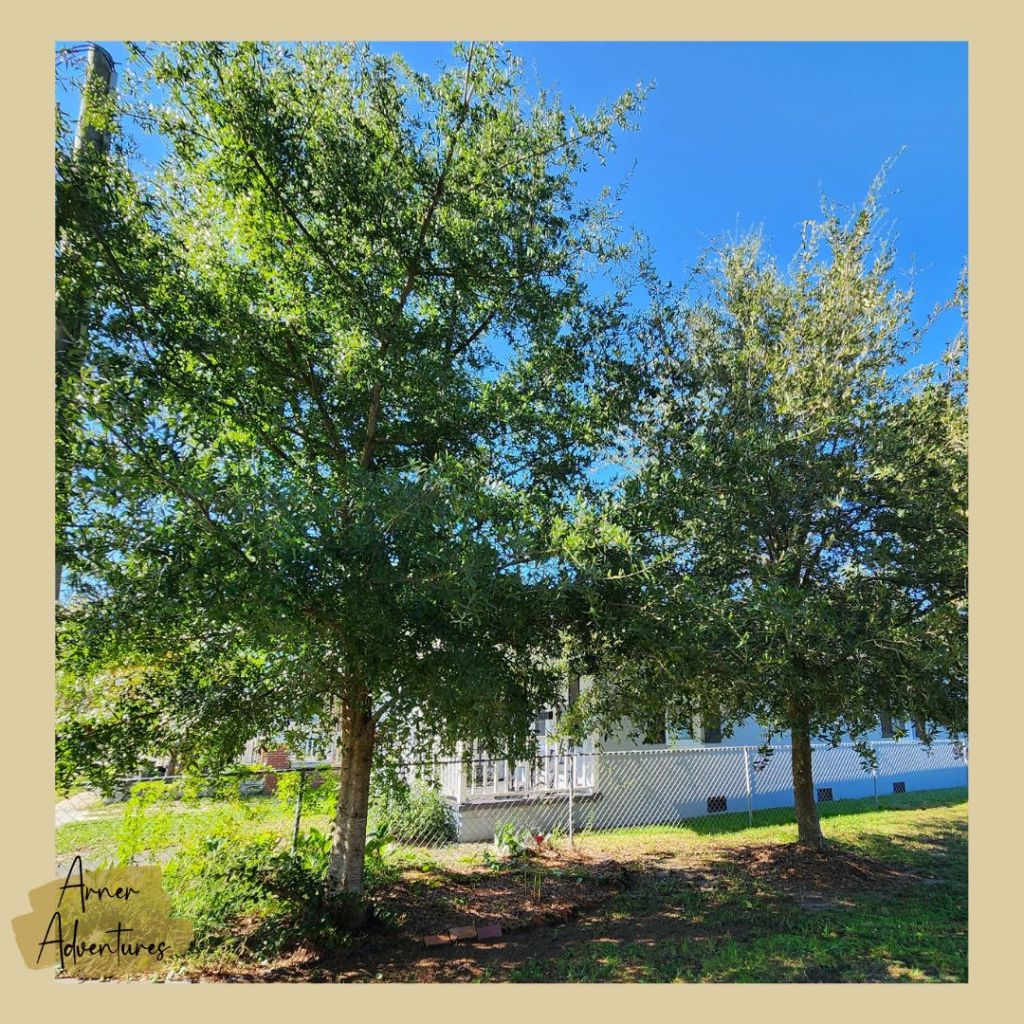
You can check with your local cooperative extension office for seeds or resources to find them. Sometimes, they will have free seeds to offer, though this is not guaranteed.
If you are unable to physically plant a tree, use the Treeapp. The app will take care of the tree planting for you. Unfortunately, the app is unavailable in the United States.
However, if you contact your local Nature Conservancy organization, you can find out how to assist with tree conservation and even plant a tree.
Planting one tree can provide enough oxygen for 4 people/day.
Tell Others How Important Trees Are
It’s important to advocate for our planet and our environment, especially when it comes to trees.
We were at an event recently, and someone said they didn’t mind using paper because it is a renewable source. At what expense?

There is an ocean of water out there, but we know there are people without it. Educate people, whether through conversation, posting on social media, or even supporting organizations like the ones we mentioned at the beginning of this article.
There is enough data out there mentioning the importance of trees. We provided much of it here. We hope you can take one of these ways to save trees and make a small change or step. The more we learn about our environment, the more we can take steps to help.
FAQs | Frequently Asked Questions
Consult a certified arborist to diagnose the issue. Common signs of tree disease include discolored leaves, unusual growths, or premature leaf drop. An arborist can recommend treatments or, if necessary, the best course of action.
Water them regularly, especially during dry periods. Mulch around the base to retain moisture and prevent weeds. Prune as needed to encourage healthy growth and protect the tree from pests. Avoid damage to the tree’s bark and roots.
Compost small branches and leaves, or use them as mulch. Larger branches can be chipped into mulch or repurposed for other uses. Many communities offer yard waste collection services that can handle tree trimmings.