
If you’ve ever wondered whether a water filter is actually worth the money, you’re not alone. We asked the same question when we moved to the coast and realized our tap water wasn’t something we wanted to drink regularly.
We didn’t want to rely on bottled water for cost or waste reasons, so we started testing different filtration systems ourselves. Over time, that led us to Culligan ZeroWater.
Instead of guessing, we tracked our usage and costs to see whether ZeroWater was genuinely worth it for our household. This review is based on that experience.

Is the ZeroWater filter worth it?
We have been asked numerous times, but this IS NOT a sponsored post. Sometimes, we use affiliate links for products we recommend when available. We may earn a small commission from those at no additional cost to you.
However, please know that we have tested all the filters we have come across and wrote this blog post because we know these filters save us money and work better.
Short answer: for us, yes, ZeroWater filters are worth it!
But whether it’s worth it for you depends on how much water you drink, the quality of your tap water, and whether you’re trying to reduce your use of bottled water.
This review breaks down cost, taste, filtration performance, and how ZeroWater compares to other popular filters.
Comparing Filtered Water vs Bottled Water
When we moved to the coast, we quickly realized that drinking the water from our tap would not happen. We have the typical “beach water” that has an awful taste. We also knew that being low-waste was important. We didn’t want to buy plastic bottles of water.
So, upon researching, we found ZeroWater, now Culligan ZeroWater. We decided to conduct our own study, an experiment of sorts. We wanted to see if the cost factor was more positive or negative than buying plastic gallons of water.
We tracked every single gallon that we drank, using a Culligan Zerowater filter, comparing it to the price of the gallon water containers.
At the end of the study, we found that with the amount of water we consume, Culligan ZeroWater was more cost-effective than buying gallons of water or even the water dispenser to keep in your home and refill (also plastic). Our review of Culligan ZeroWater has multiple factors.
We want to fill our Yeti Rambler first thing in the morning and refill throughout the day. We need clean, tasty water that is within our budget. We wanted to know whether our efforts to trust Culligan ZeroWater would be worth it, and they were.

The cost of Zerowater
Purchasing a pack of six replacement filters will cost around $70-$75 dollars, a fraction of what most people spend on bottled water each month. You can compare prices using the options below.
Additionally, using your own reusable bottle with filtered tap water significantly reduces plastic waste, so you can feel good about helping the environment while saving money!
Note that replacement filters vary in price, so we always check the Culligan ZeroWater site and then check Amazon to see which is cheaper.
What makes Zerowater different?
The Culligan ZeroWater filter is unique because it uses a 5-stage filtration process to remove virtually all contaminants from your tap water. The first stage filters out sediment and other large particles. The second stage removes chlorine, pesticides, and herbicides.
The third stage removes heavy metals such as lead and cadmium. The fourth stage removes organic compounds such as benzene and trihalomethanes. Finally, the fifth stage uses an ion-exchange system to remove any remaining particles from the water. This process ensures that you get clean, pure drinking water every time you use your Culligan ZeroWater filter.

What about the taste?
Taste was one of the biggest improvements for us.
Filtered water tastes noticeably cleaner than our unfiltered tap water and more neutral than bottled water. That said, taste changes quickly once the filter reaches the replacement threshold.
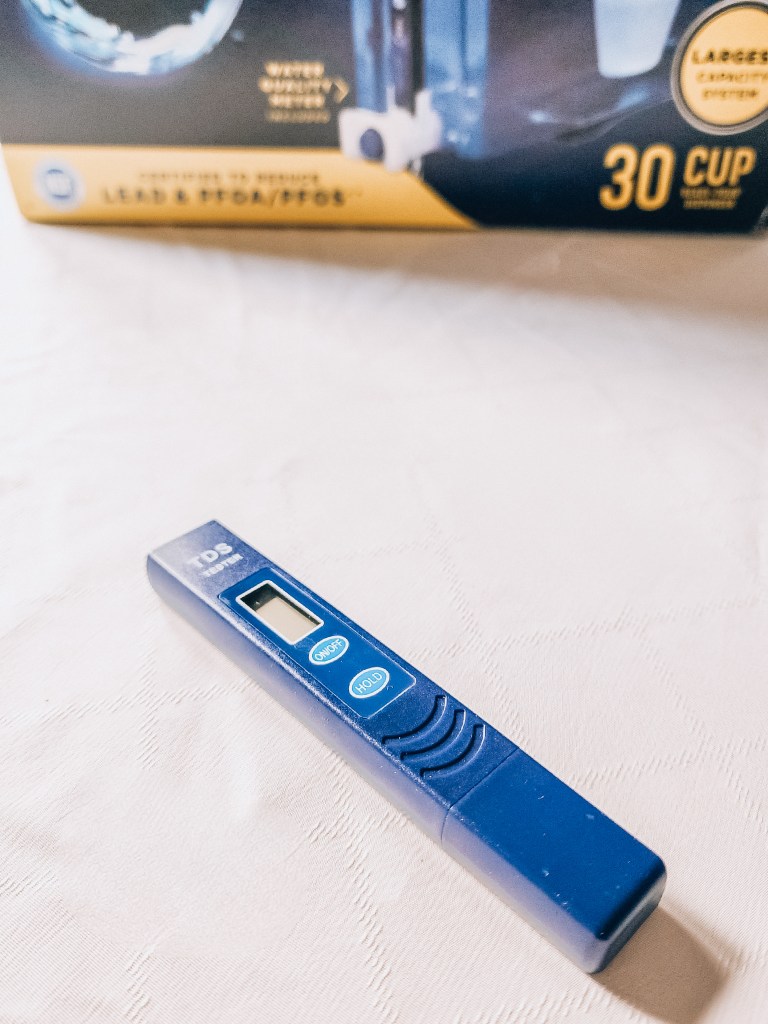
When the TDS meter reads above 006, the water starts to taste off. Changing the filter promptly makes a big difference.
ZeroWater vs Brita and PUR
We’ve used Brita and PUR in the past. While they improve taste, they don’t remove dissolved solids to the same degree as ZeroWater.
For households with higher TDS levels or sensitive taste preferences, that difference is noticeable. For others, a simpler filter may be sufficient.

This isn’t about “winning.” It’s about matching the system to your water quality.
How do we know the score of our water?
Culligan ZeroWater comes with a test meter. It’s called a TDS meter. We use it at every fill of our water pitcher to check the score.
The TDS (total dissolved solids) meter is included with the purchase of their pitchers. Culligan ZeroWater claims to lower TDS in your water all the way down to zero; in our tests, it does.
You change the filter when the TDS level reads 006. Believe us when we tell you that you don’t want to go past that. The water begins tasting awful if you do not change it out with a new filter.

What Culligan Zerowater system do we use?
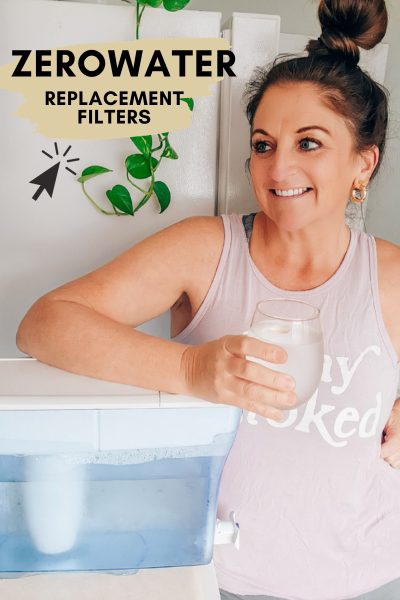
Because we, alongside our pups, drink a lot of water, we have three Culligan ZeroWater pitchers in our refrigerator. They are the 32-cup pitcher size.
We need the extra-large capacity for the amount of water we go through. You can take a look at your current water usage to determine which size you will need. You may very well be fine with one of the smaller pitchers. Just know that if you drink a lot of water, you will be filling it quite a bit.
When it comes down to it, deciding whether or not a Culligan ZeroWater filter is worth investing in is ultimately up to you and your budget. However, with its 5-stage filtration process and impressive cost savings compared to buying bottled water every month, we think this type of filter just might be worth considering if you’re looking for ways to cut down on costs while still enjoying clean drinking water!
Our final Culligan Zerowater review take
Whether you’re looking for a more convenient way to get filtered clean water or simply want to save some money each month on bottled drinks, investing in a Culligan Zerowater filter could be just what you need! If you haven’t figured it out by now, our review is the most positive regarding Culligan Zerowater.
Besides, drinking water is so important for your overall health. It’s simple to do, yet so many are dehydrated. Culligan ZeroWater is a great way to get your water clean and healthy.
Bonus Culligan Zerowater tips
You can watch for the prices of the Culligan Zerowater products online and in your local stores. Of course, they are sold on the Zerowater website, at Amazon, Walmart, Target, and most grocers.
We have found that the least expensive place to buy the replacement filters is through Amazon rather than directly from Culligan Zerowater, but be sure to check the options.
Trust us! Don’t even waste your time with the cheap dupes. They don’t work as long and you will spend more money. We’ve been there.
FAQs | Frequently Asked Questions
Yes, Culligan Zerowater products are made in Trevose, Pennsylvania.
Filter lifespan depends on water quality and usage. ZeroWater estimates around 40 gallons, but high-TDS water may shorten that timeframe.
Is ZeroWater worth it? We tested Culligan ZeroWater against bottled water and other filters to see if it’s really worth the cost. Culligan ZeroWater has a recycling program. We take advantage of this since the filters cannot be recycled in our area. When you recycle with ZeroWater, you also receive coupons for future purchases. You can get more information about the Zerowater recycling program here.