
The Oura Ring has been everywhere lately, thanks to a certain Kardashian and half of wellness TikTok. If you are trying to figure out whether it is actually useful or just another shiny gadget, you are not alone.
I have tried more fitness trackers than I can count, and the Oura Ring is one of the few that changed how I pay attention to sleep, recovery, and daily habits.
This breakdown covers how Oura compares to other trackers I have used in real life, what the app is like, and whether it is worth adding to your routine.
Oura Ring + My Wellness Journey
I have always relied on trackers to help me stay accountable. Years ago, Fitbit was my go-to. I tried smartwatches. I tried apps. Some worked for a while, but nothing stuck in the long term.
When the Oura Ring started popping up everywhere, I was curious but skeptical. I finally bought one and gave it a full month before reviewing it, so the ring could get to know my patterns. Once it did, the data made sense in a way that other trackers never quite matched.
My wellness journey depends on me keeping track of everything and holding myself accountable.
Oura Ring vs Other Fitness Trackers
Before comparing it to everything else I have used, here is what makes Oura different. It tracks three core areas: readiness, sleep, and activity.
The app summarizes each one into daily scores and then breaks down the details. After a few days, you start to see patterns that actually help you understand your body, rather than just counting steps.
Now let’s get into the comparisons.
Oura vs Fitbit
I was loyal to Fitbit for years. I had multiple versions and loved the step tracking and the app’s simplicity. The problem was that sleep tracking never went far enough. It showed the basics, but the insights stopped there.
Oura goes deeper. It shows sleep stages, blood oxygen levels, breathing patterns, and how they all affect your recovery. My Fitbits also had a habit of dying after a year, and customer service would give me credit instead of replacing them.
Eventually, I moved on because they weren’t keeping up with the latest technology.

Oura vs Michael Kors Smartwatch
I was also an owner and user of the Michael Kors Access Bradshaw, the smartwatch from Michael Kors.
Great looking watch, not great for workouts. It was heavy, it got in the way, and I eventually wore it for the look instead of the function. As far as wellness tracking goes, Oura outperformed it immediately.
Oura Ring vs Moto 360
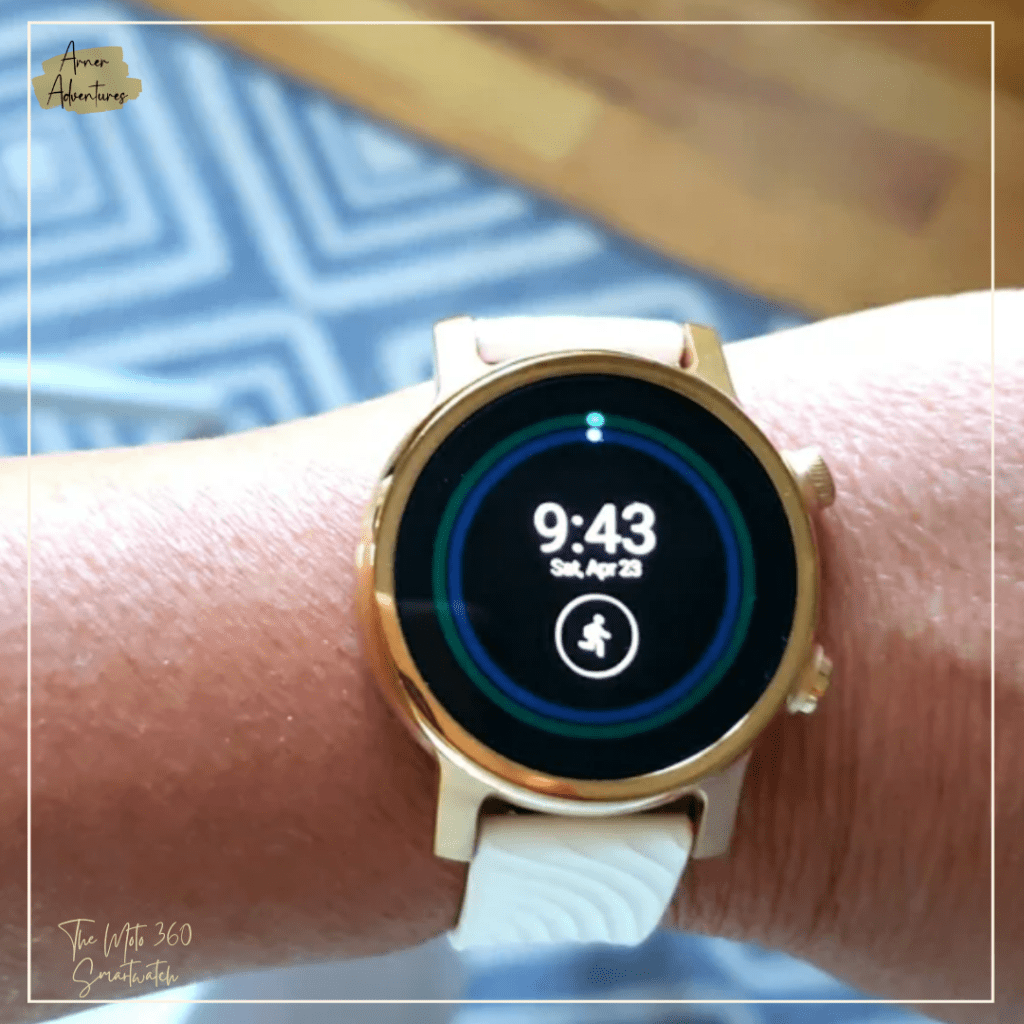
The Moto 360 was one of my favorites because it was simple and clean. I paired it with the Google Fit app and liked the setup. The downside was accuracy. My steps were often off, and it did not track deeper wellness markers like sleep stages or breathing patterns.
It worked for basic movement, but not for the full picture I needed.
Oura ring vs Google Fit
Before I switched to Oura, I relied on the Google Fit app for the basics. It tracked my movement and steps well enough, but that was about it.
There was no depth to the data and nothing that helped me understand why I felt tired, stressed, or off. It was simple and familiar, but it could not give me any real insight.
Since I use Android, I’ve never used an Apple Watch or Apple Health, so I cannot compare them. Google Fit served its purpose for a while, but Oura immediately gave me more useful information.
Oura Ring vs Motiv
The Motiv Ring had a moment, but it is no longer on the market. When I was researching smart rings before buying Oura, I could not find any solid alternatives. Nothing I saw matched Oura’s tracking for sleep, recovery, or daily readiness.
If you want a ring that actually does more than count steps, Oura is the only one I found that consistently delivers.
Oura Ring vs Halo Band
A friend of mine uses the Halo Band, so I looked into it to get a better sense of how it compares. It tracks sleep and basic activity, and the app gives a few insights. It reminded me of the Whoop strap, which Halo directly competes with.
Both focus on performance and recovery. Neither tracked my sleep or breathing patterns with the same level of accuracy or detail that Oura provides. The data was helpful, but it never felt personalized or specific to my patterns.
After testing and comparing, Oura was still the strongest when it came to real wellness tracking instead of surface-level activity stats.

My overall experience with the Oura ring
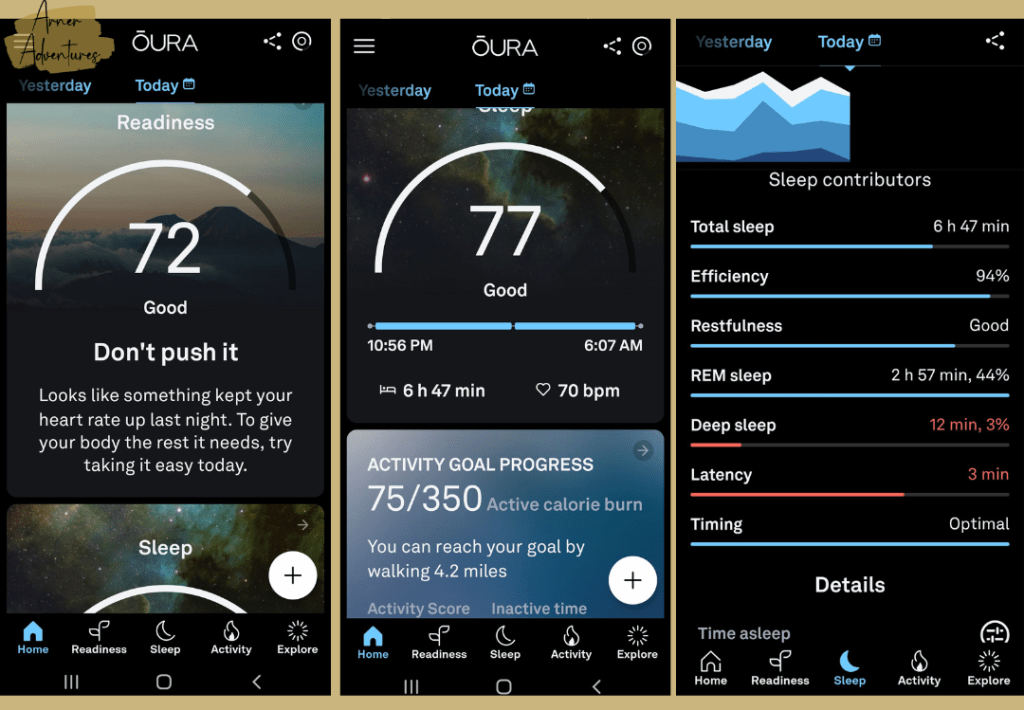
The biggest change I noticed with Oura was my sleep. I finally understood why I felt exhausted even on nights when I thought I slept long enough. The app showed me how much deep sleep and REM I was getting, how my heart rate changed through the night, and whether my recovery was strong or low.
Other trackers focused on steps and movement. Oura focuses on what is happening underneath all of that. Every morning, I check my readiness score, and it always lines up with how my body feels. It has helped me slow down when I needed it and push myself when I actually had the energy.
The app is simple to use. You see your readiness score, sleep score, and activity score at the top, and then you can tap into each category for more detail. The insights explain why your numbers look the way they do, which makes it easy to figure out what needs attention.
On days when my sleep score is low, I can look at the breakdown to see if it was my breathing, my heart rate, or the amount of light sleep compared to deep sleep. If something seems unusual, I can bring that data to my healthcare provider. It gives me information I never had access to before.
How does Oura help me improve my wellness?
Oura is not just a sleep tracker. It also monitors skin temperature, blood oxygen levels, heart rate variability, resting heart rate, and overall recovery. All of these markers show patterns that can warn you when your body is under stress or fighting something off.
I wish I had this ring when I had COVID. As someone with asthma, seeing my respiratory rate and oxygen levels would have been helpful during that time.
I am not a doctor, but the ability to see these numbers gives me a better understanding of my health.
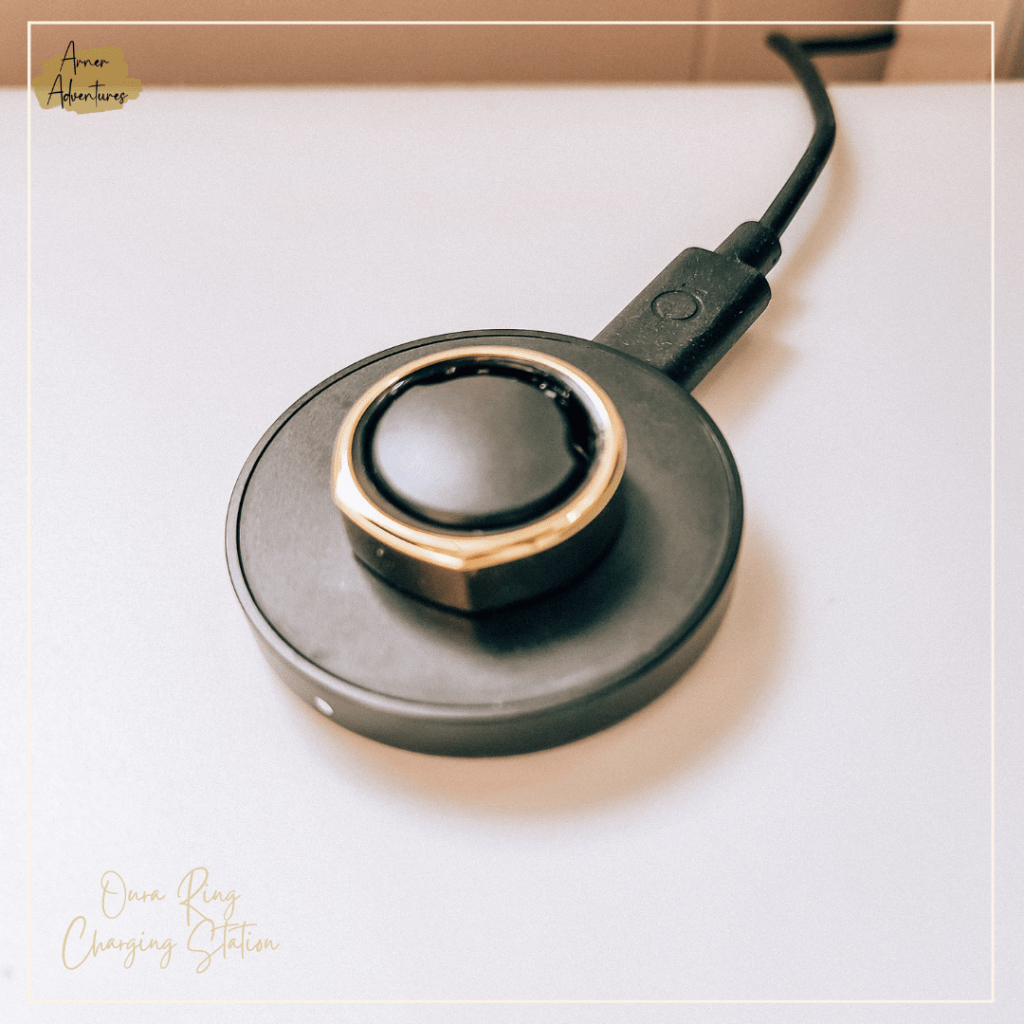
Oura ring charging station
The charging station looks like a minimalist ring stand, which I love. It charges quickly, and I usually place my ring on it while I shower or wash dishes. The ring is water-resistant, but the short charge window fits into my routine easily.
My battery has never dropped to zero. Most trackers I used before this ran out constantly or needed long charging windows. The Oura charger is the only one that has never annoyed me.
Oura Ring Style
The ring comes in several metal colors. I chose gold because it matches my jewelry, and I wear it daily. It has a simple, clean design,n and it does not feel bulky. I wear mine on the pointer finger of my left hand and forget it is there.
Smartwatches always felt heavy or distracting during workouts. The ring solves that problem for me. It stays out of the way and still tracks everything I need.
FAQs | Frequently Asked Questions
I mentioned that my battery has never died, but I usually get a notification on the fourth or fifth day after a brief charge that I need to place it on the charger, and I wear mine all the time. So, it lasts a LONG TIME.
It is totally worth it! I forget that I have it on, which has never been the situation with any tracker or fitness device, but not just that, it gives me wellness tracking for key factors in my body that I have never been able to track. Having experienced just about every tracker on the market, the Oura ring is worth every penny thanks to its capabilities and the app that comes with it.
Absolutely! You will still have access to the Oura app; it just limits some of the added benefits. Bonus, when you purchase the Oura ring, it includes 6 months of the membership for free, so you can test it out and see if it is worth it to you.

Disclaimer
Disclaimer- This blog post only represents our opinions. The content here should not be taken as medical advice. The content is for informational purposes only. Because each person is so unique, please consult your healthcare professional for any medical questions or advice. Please see the terms and conditions for more information.