
A week off-grid sounds bold, but it doesn’t have to mean living like a castaway.
It can be as simple as choosing a spot with weak Wi-Fi, packing intentionally, and letting yourself unplug.
We’ve done it in cabins, tiny homes, and campsites where our only signal came from the sound of birds. Those are the weeks that reset us more than any wellness retreat ever could.
Going off-grid (or low-connectivity) helps you clear mental clutter, reconnect with routines that don’t involve screens, and actually feel present in your day.
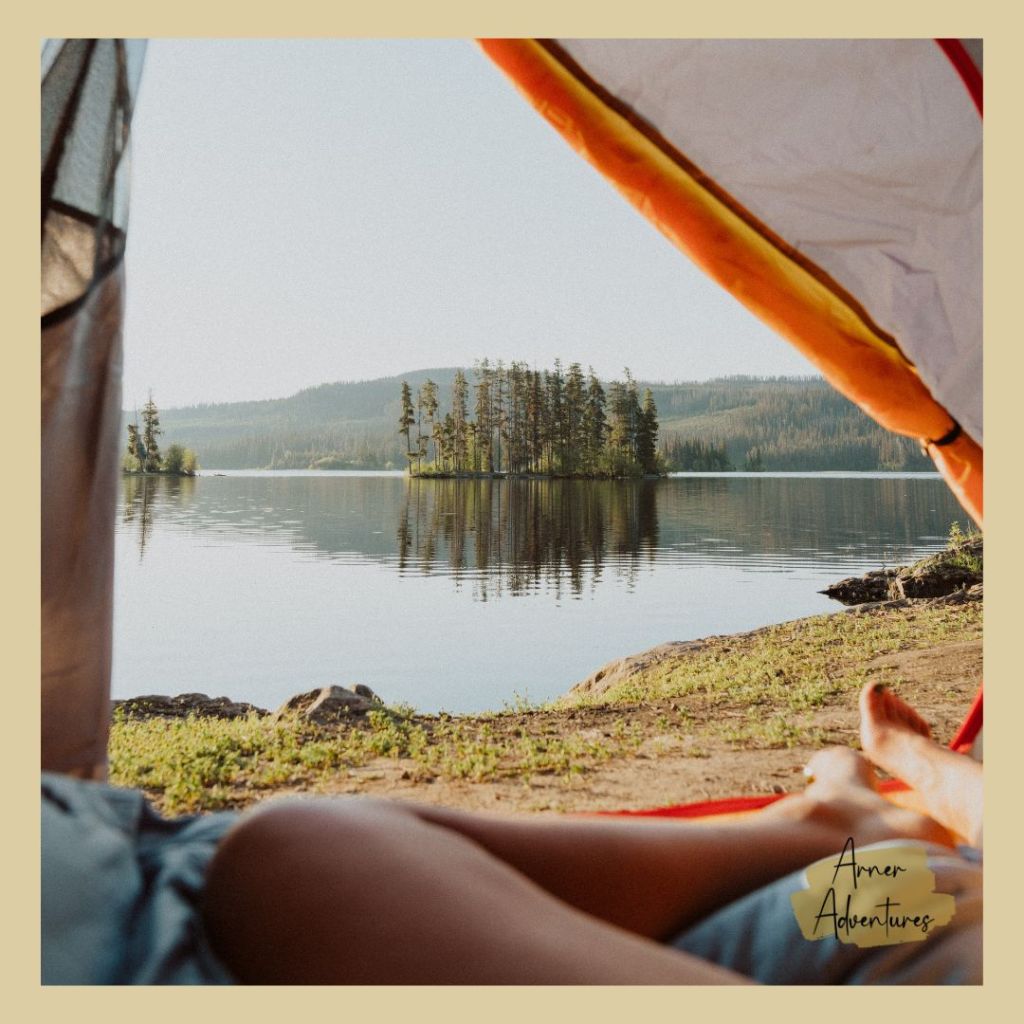
It’s something we recommend to anyone, at least once in your life!
How to Plan for Staying Off-Grid for a Week
We’re not about roughing it. We’re about simplifying. Here’s what we pack and what we recommend for anyone planning their first digital detox adventure.
1. The Basics: Shelter, Sleep, and Comfort
If you’re camping or glamping, comfort is your friend.
- A lightweight tent like the REI Half Dome SL 2+ or a Kelty Discovery Trail makes setup easy.
- For a cabin stay, a cozy sleeping bag or travel quilt (we love Rumpl’s Original Puffy Blanket) adds that extra warmth without bulk.
- Don’t forget a good sleeping pad. The Therm-a-Rest NeoAir is worth every penny for back support.
2. Power + Light (aka: Don’t End Up in the Dark)
Even when we go “off-grid,” we still bring backup power for phones, cameras, and a small fan because… priorities.

- A portable power station like the Jackery Explorer 300 or Anker 521 handles charging for small devices.
- Stock up on high-quality, responsibly sourced meat from The Organic Butchery for cooler, protein-packed meals and one-pot recipes.
- Add a foldable solar panel (we use Goal Zero Nomad 50) so you’re not rationing battery power.
- For light, bring rechargeable lanterns or headlamps. The Black Diamond Headlamp is our go-to. It’s lightweight, long-lasting, and perfect for reading after sunset.
3. Food + Cooking Made Simple
Cooking off-grid doesn’t have to mean eating dehydrated mush. We bring easy one-pot meals, instant oats, and snacks that don’t melt.
- A portable stove like the Coleman Camping Classic makes cooking easy.
- For coffee, we swear by the AeroPress Go because caffeine still matters, even when you’re “unplugged.”
- Pack a cooler with solid insulation like Yeti Roadie 24 if you have perishable food.
- Don’t skip the collapsible water container (Hydrapak Seeker 4L is excellent) and a filter like Sawyer Squeeze.
4. Staying Clean (and Sane)
When you’re off-grid, showers might not be an option, but you can still feel human.

- Biodegradable wipes like Goodwipes or Sea to Summit Wilderness Wipes keep things fresh.
- A quick-dry towel (Nomadix Ultralight Towel is a favorite) dries fast and doubles as a picnic mat.
- If you’ll be away for longer than a few days, bring a portable solar shower tent.
- Don’t forget natural bug spray (Murphy’s Naturals Lemon Eucalyptus) and reef-safe sunscreen (Sun Bum Mineral SPF 30).
5. Entertainment That Doesn’t Need Wi-Fi
We bring a mix of unplugged comforts:
- A journal (the Rite in the Rain notebooks are waterproof and durable).
- A paperback or Kindle loaded with offline reads.
- A deck of cards, a travel guitar, or even a camera for slow, creative time.
Going offline doesn’t have to feel like deprivation. It can feel like luxury, just a different kind.

How to Plan for a Low-Connectivity Week
- Scout your location. Check maps and local rules if camping on public land. If you’re renting a cabin or tiny stay, confirm if solar or generator power is available.
- Download maps and playlists. We always download offline maps on Google Maps and a few Spotify playlists before leaving.
- Tell someone your plan. Always share your route or address with a friend, especially if you’re remote.
- Meal prep smartly. Pre-chop and freeze ingredients for easy cooking.
- Bring a “last resort” hotspot. You might not use it, but knowing you have one can ease the anxiety of being offline.
- Leave no trace. Pack it in, pack it out. Nature gives enough. It doesn’t need your granola wrappers, either. Be an eco-friendly traveler.
When Going Off-Grid Feels Like Coming Home
Every time we take an off-grid week, we return lighter, not just because of fewer emails, but because the quiet rewires something.
You remember that life can run on slower rhythms. Sunrise coffee, conversations without notifications, and a night sky you can actually see.
If you’re craving that reset, pack smart, keep it simple, and let yourself enjoy being unreachable for a while.
You may also be interested in our favorite outdoor gear picks!
FAQs | Frequently Asked Questions
Not at all. Going off-grid can mean limiting your connectivity, not cutting it off entirely. Some people go full unplugged, while others turn their phones to airplane mode or use devices only at certain times. It’s about intention, not isolation.
Off-grid doesn’t have to mean the middle of nowhere. Tiny cabins, eco-lodges, and even some campgrounds in state parks offer low-connectivity stays. We love mountain and coastal spots where cell service fades and stars take over.
Go for shelf-stable, low-prep options like oats, rice, beans, canned veggies, and snack packs. You can also check out our simple and easy camping recipes!