

For a long time, we planned trips the same way everyone else seemed to. Peak season. Ideal weather. Full schedules. Early mornings followed by late nights, because that is what a good trip was supposed to look like.
Somewhere along the way, travel stopped feeling exciting and started feeling like another thing we needed to manage well.
It was subtle at first. We brushed it off as tiredness or a busy year. But eventually it became obvious. We were coming home more exhausted than when we left. We were rushing through places we had been excited about for months. And somehow, the stress we were trying to escape kept coming with us.
That is when we made a small but meaningful change.
We started traveling during the slow season. Not accidentally. Not just because it costs less. Because we wanted something different.
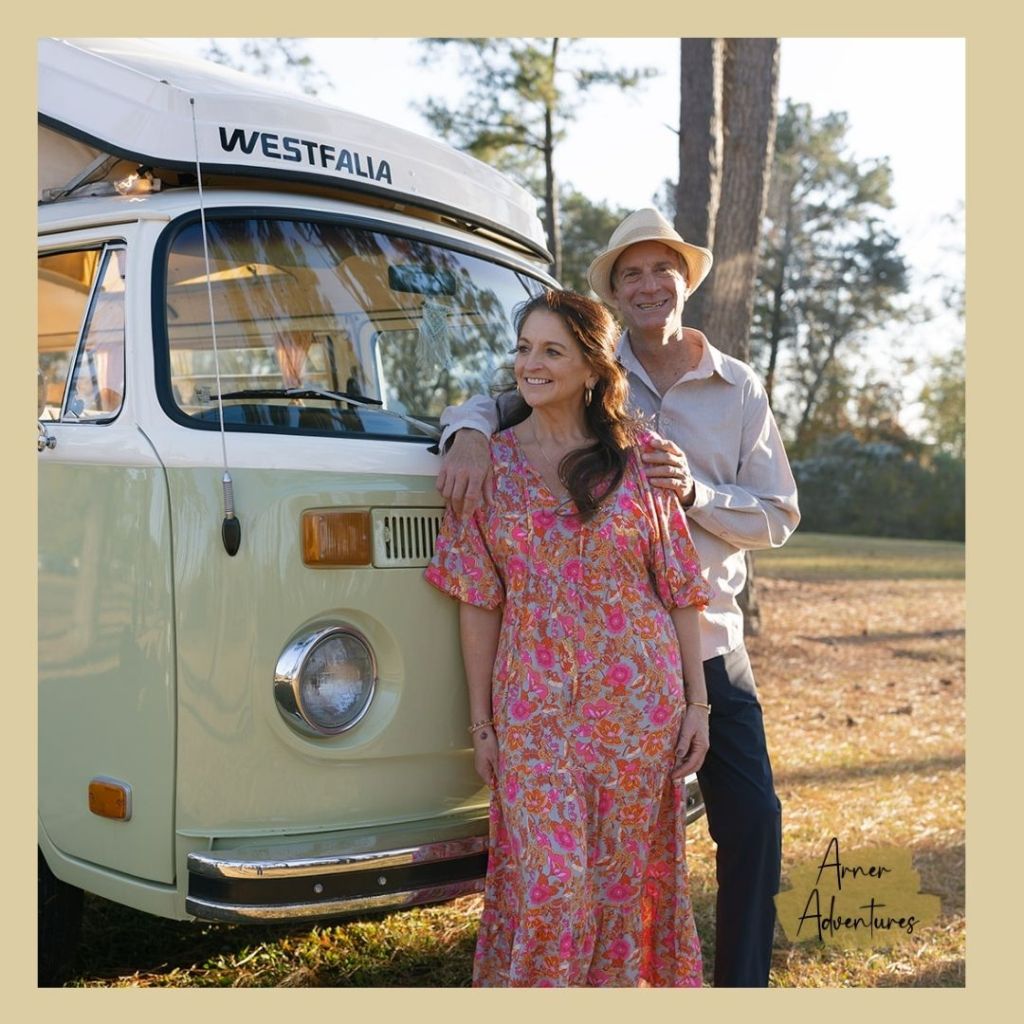
Traveling During Slow Season
The slow season is the time most people avoid. Fewer crowds, fewer open businesses, sometimes fewer options overall. On paper, it sounds like a downgrade.
In reality, it gave us exactly what we were missing. In fact, most people no longer search for the best time to visit a location. Rather, check when things are slower.
When we travel during a destination’s off-season, everything slows down. The pace felt human again. We were able to focus on where we were, rather than on everything we thought we should be doing while we were there.
We haven’t even talked about the reduction of airport anxiety!
At some point, our trips had quietly turned into checklists. Restaurants to hit, sights to see, photos to capture. It all added up to busy travel that looked fun but did not always feel that way.
Slow season travel stripped that away.
We stopped over-planning. We slept in without feeling like we were wasting time. Mornings were slower, quieter, and not dictated by reservations or lines forming outside coffee shops.
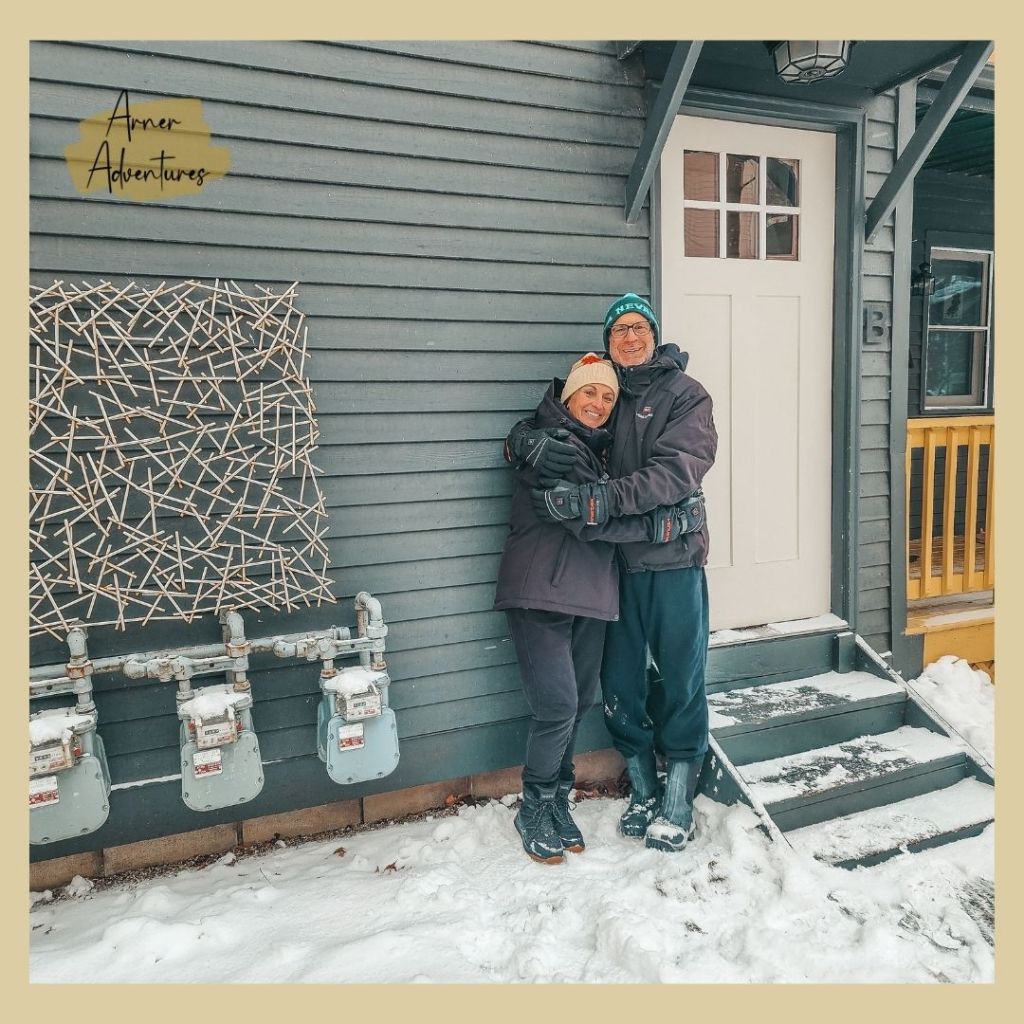
When the pressure disappeared, enjoyment showed up without us trying so hard.
Crowds Change the Entire Experience
Crowds do more than make places busy. They change how a place feels.
During the slow season, streets are quieter. Conversations feel less rushed. You are not constantly navigating around other people or competing for space. Small moments stand out more when you are not just trying to move from one thing to the next.
Travel stops feeling like something you are performing and starts feeling personal again.
Slow Season Travel Helped Us Reset Our Expectations
We used to think a good trip meant seeing as much as possible. Now, we measure it differently.
A good trip is one where we feel good while we are there.
Slow season travel taught us that it is okay to have quieter days. It is okay if some things go unfinished. Sometimes the best moments are the ones that were never planned at all.
That shift changed how we travel everywhere, not just during the off months.

It Is Not Just About Saving Money (But That Helps)
Yes, slow-season travel is usually cheaper. Flights tend to be more affordable. Accommodations are often more flexible. That matters, especially if you are trying to be mindful about how you travel.
But the biggest benefit is not financial.
It is energy. It is ease. It is coming home without feeling like you need a recovery period.
Saving money is nice. Feeling restored is better.
When Slow Season Travel Might Not Be the Right Fit
Slow season travel is not perfect, and it is not for every trip.
Some destinations scale back hours or close certain businesses altogether. The weather can be unpredictable. Events, nightlife, or specific activities may not be available.
We know from living in a tourist town that if you were to visit Beaufort, NC, during the off-season, your dining options would be limited.
If a trip depends heavily on packed schedules or major events, the slow season may feel limiting. Knowing that ahead of time makes it easier to choose destinations that actually match what you want from the experience.
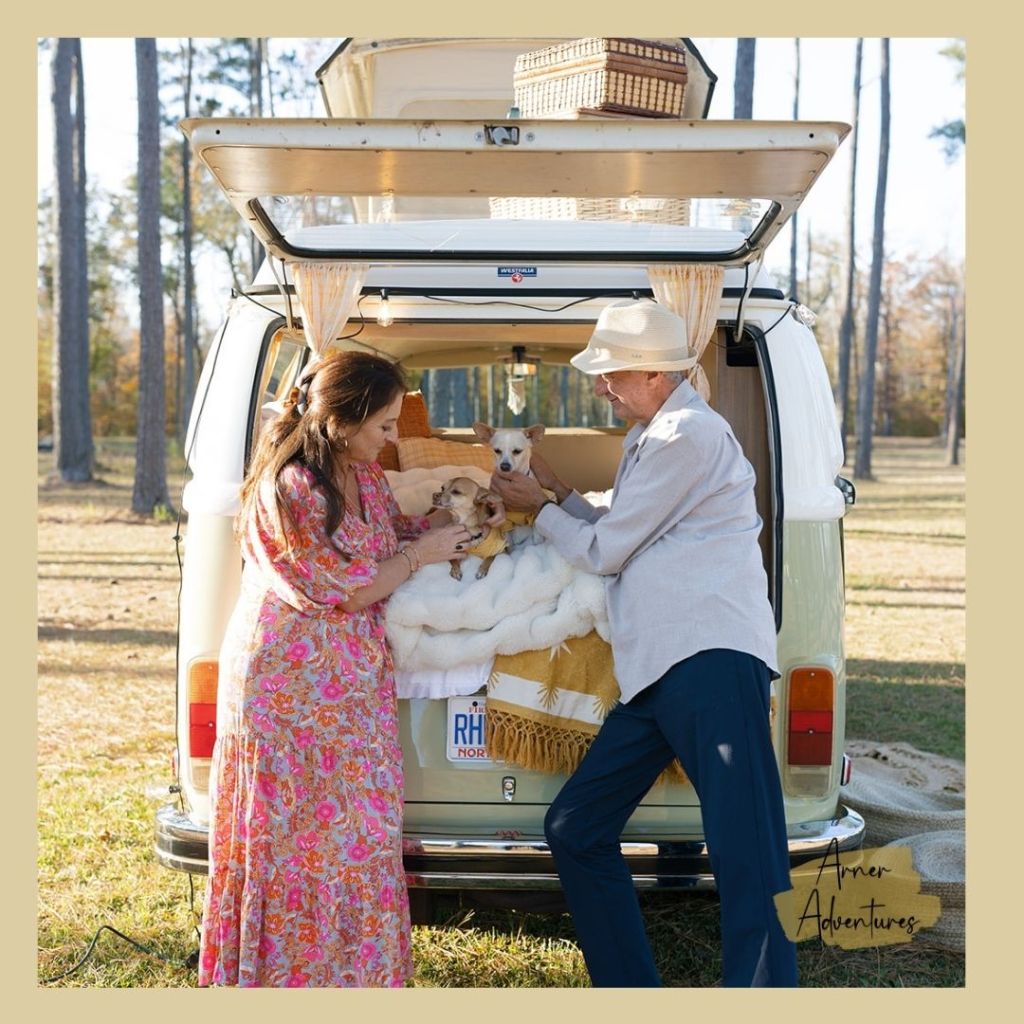
How We Decide If a Destination Works in the Slow Season
Before booking, we ask ourselves a few honest questions.
Are we craving rest or stimulation?
Do we want structure or flexibility?
Will we enjoy this place even if we do very little?
When we visited Sunset Beach, NC, and even Burlington, Vermont, we really enjoyed the slow season.
Our answers to those questions leaned toward quiet, space, and ease. Slow-season travel is usually the right choice when that is the vibe you are going for.
We are no longer chasing the version of a destination that everyone says is best. We choose the version that works for us.
Why We Will Keep Choosing the Slow Season
Traveling during the slow season gave us back something we did not realize we had lost.
Presence.
Trips feel calmer. Memories stick better. We come home feeling restored instead of depleted. At this stage of our lives, what matters more than perfect weather or packed itineraries?
Slow season travel is not about doing travel the “right” way. It is about traveling in a way that respects your energy, your current season of life, and what you actually need.
For us, choosing the off months is not a compromise. It is the point.
FAQs | Frequently Asked Questions
The slow season is the time of year when a destination sees fewer visitors. This usually falls outside peak travel months and major holidays. It often means fewer crowds, lower prices, and a quieter overall pace, though the exact timing varies by location.
Sometimes. Certain businesses, attractions, or restaurants may reduce hours or close temporarily. That is why it helps to choose destinations where you will still enjoy the experience even if fewer options are available.
No. While flights and accommodations are often cheaper, cost savings are not the main benefit. The bigger advantage is reduced stress, fewer crowds, and the ability to travel at a slower, more intentional pace.