
Eye health is wealth. Your eyes help you see the world, and any complications can cloud how you experience everyday life. With more Americans diagnosed with preventable vision problems every year, you’ll want to do what you can to maintain your eyesight. One of the best ways to do that is by eating more eye-friendly foods.
However, changing your diet can be challenging. It’s one thing to know that to cultivate your eye health and overall self-care, for instance, it’s best to eat fruits and vegetables that are fresh and in season. However, it’s another thing entirely to engage in the difficult process of switching to better foods and behavior patterns for your vision.
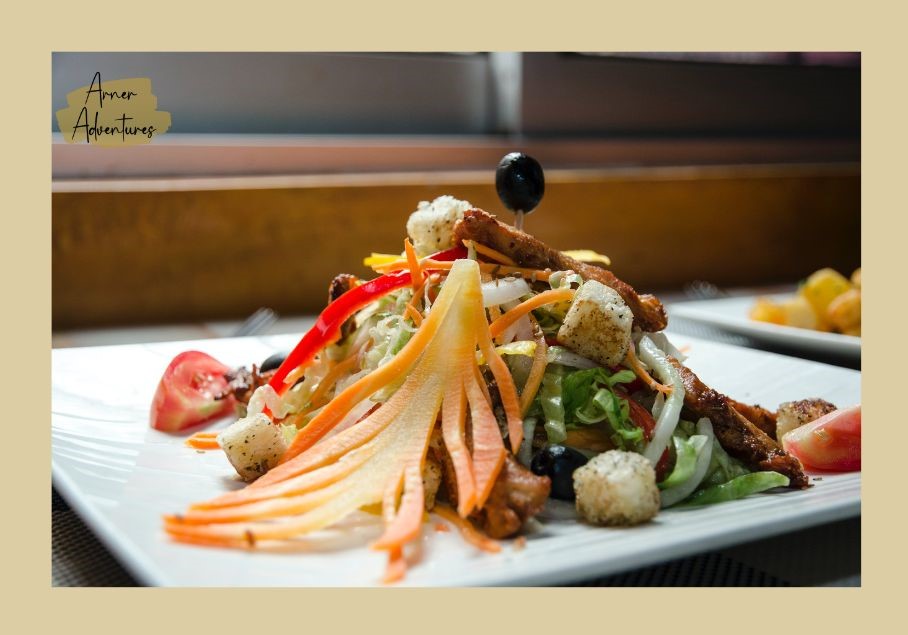
To help with that, here’s a quick guide on eating your way to visual wellness.
Tips For Creating an Eye-friendly Diet
Prioritize nutrient-dense foods
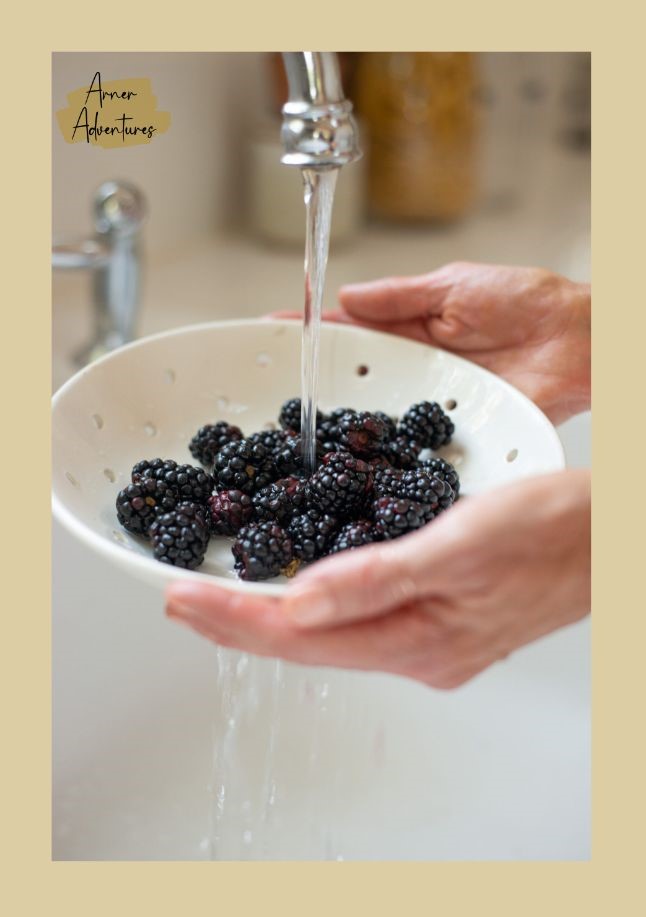
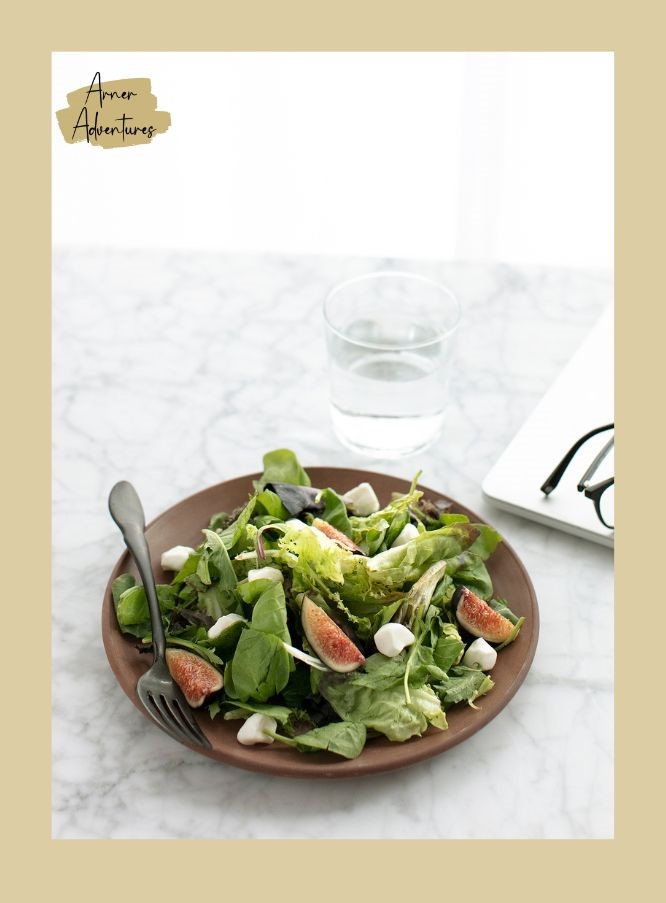
Give your eyes the nutrients they need to stay sharp. This includes Vitamin A, which prevents dry eye and vision loss, the antioxidant lutein, which protects the retina from damage; and zinc, which slows macular degeneration. You’ll have a feast of these nutrients by incorporating fatty fish, leafy vegetables, and legumes into your diet.
Avoid processed foods
While trying to eat the best foods for your vision, you’ll also want to avoid the worst ones. This includes processed foods like pizzas and deli meats, which contain high amounts of sodium that can spike blood pressure in your retina. For a diet good for your eye health, it’s best to keep things fresh.
Monitor your food intake
To help you consistently eat for better eye health, keep track of your progress. You can use a health monitoring app or take pictures of your meals. However, keeping a journal is uniquely suited to help you craft specific health goals and monitor your progress.
Writing things down can help you reflect on your current eye nutrition efforts, contemplate what you want to achieve, and motivate you to fulfill your objectives. That way, you can make your way toward better visual wellness step by step.
Continue learning about eye health nutrition

You probably already know a little bit about what to eat for better eyesight. However, that doesn’t mean you should stop learning more about the best foods to meet your eye needs and find better cooking techniques that work for you. Consider looking into resources others have compiled to make your eye health journey smoother.
For instance, you can read Eat Right for Your Sight, an eye health book that covers multiple science-based recipes you can try to reduce the risk and progression of macular degeneration. You can even watch the cooking show the book is based on so you can follow along with each recipe.

By continuously learning about how best to eat for your eyes and applying that knowledge without compromising things like taste, you can better progress toward visual wellness.
How to supplement an eye-friendly diet
Get regular eye exams
You’d be surprised what conditions an eye exam can catch and prevent. Among these are cancer, glaucoma, and macular degeneration. These early diagnoses can help guide your diet—for example, cutting down your sugar if you’re developing diabetes, which can cause diabetic retinopathy—and you’ll get advice for your next steps from a qualified optometrist.

Wear prescription eyeglasses regularly
If your regular menu used to comprise fried foods, manufactured meats, and simple carbohydrates, you’re at a higher risk of developing eye conditions like hypertensive retinopathy and neuropathy. Using the tips above to switch to eye-boosting foods can help. However, you’ll want to ease any eye strain that may worsen eye health caused by previous bad eating habits.
To get this done, consider wearing prescription eyeglasses that can cater to your unique needs and provide you with clarity as you enjoy your daily activities. Consider getting glasses with oleophobic and hydrophobic coatings or single-vision and progressive styles so your specs remain durable and helpful for longer.
Wellness habits for better vision
To support eye health, it’s common to adopt habits that promote overall well-being. For instance, many people add kratom as part of their daily regimen for its potential health benefits.
With your present eyesight handled, your new eye-friendly diet can focus solely on improving and maintaining healthier vision.

Your eye health nutrition is essential. Leverage the above tips to optimize it.
For more insights on living well, check out our other self-care articles here on Arner Adventures.
FAQs | Frequently Asked Questions
Is it true that looking at screens for too long can damage your eyes?
Prolonged screen time can cause digital eye strain, leading to symptoms like dry eyes, blurred vision, and headaches. It’s essential to take breaks and follow the 20-20-20 rule: every 20 minutes, look at something 20 feet away for at least 20 seconds.
Are there warning signs that something might be wrong with my eyes?
Symptoms like sudden blurry vision, persistent eye pain, flashes of light, or seeing spots could indicate an eye problem that requires immediate attention from an eye care professional.
Can I do anything to improve my vision naturally?
While certain exercises and activities claim to enhance vision, there’s limited scientific evidence to support these methods. However, as mentioned, a balanced diet, maintaining a healthy lifestyle, and wearing prescribed corrective lenses when needed can aid in vision health.