
At some point, things became fast and instant.
News arrives through notifications. Groceries appear at our door. An algorithm chooses what we watch, listen to, buy, and read next. We can order lunch without talking to anyone and travel through a new town without ever looking up from our phones.
We’ll admit that much of this is convenient. We’re not tossing our phones into the nearest lake or pretending we want to return to the days of printing MapQuest directions.
Still, convenience doesn’t always make life better.
Some supposedly old-fashioned things naturally make us slow down, pay attention, and interact with the world around us. They may take a little longer, but that extra time is often what makes them enjoyable.
Maybe these things aren’t considered cool anymore. We still love them.
Why Do Old-Fashioned Things Feel So Good?
Old-fashioned habits tend to require more of our attention.
Reading a newspaper, wandering through a bookstore, or spending a morning at the farmers market doesn’t provide the same instant gratification as tapping a screen. That’s part of the appeal.
These activities give us a break from recommendations, notifications, and the feeling that we should constantly be checking something. They also create opportunities to talk with people, support local businesses, and notice what’s happening around us.
Here are a few old-fashioned things that make life better—and that we hope never disappear completely.
1. Reading an Actual Newspaper
There’s something satisfying about sitting down with a newspaper and seeing what catches your attention.
You might read an article you never would have searched for online. You can pass a section to someone else, attempt the crossword, check local events, and learn what’s happening in your community.
A newspaper has an ending, too. Once you’ve read it, you’re finished.

The internet never gives us that kind of closure. There’s always another headline, another opinion, and another link waiting to convince us that the world is ending.
Sometimes we just want to read the paper, complete half of the crossword, and move along with our day.
2. Spending Saturday Morning at a Farmers Market
We love a farmers market because it turns an ordinary errand into part of the weekend.
Instead of rushing through a self-checkout line, you get to walk from booth to booth, see what’s in season, and talk with the people who grew or made what you’re buying.
There might be fresh produce, bread, flowers, handmade goods, local honey, candles, or a dog wearing a bandana who is clearly running the entire operation.
Farmers markets help us feel more connected to where we live. They introduce us to local growers, artists, and small businesses we might not encounter otherwise.
We may arrive for tomatoes and leave with a candle, a pastry, and a full social calendar, but that’s part of the experience.
3. Eating at Local Diners
Give us a slightly worn booth, a laminated menu, and a server who already knows what the regulars are ordering.
Local diners usually aren’t trying to become the trendiest restaurant in town. They’re serving coffee, breakfast, sandwiches, and the kind of pie displayed under a plastic dome near the register.
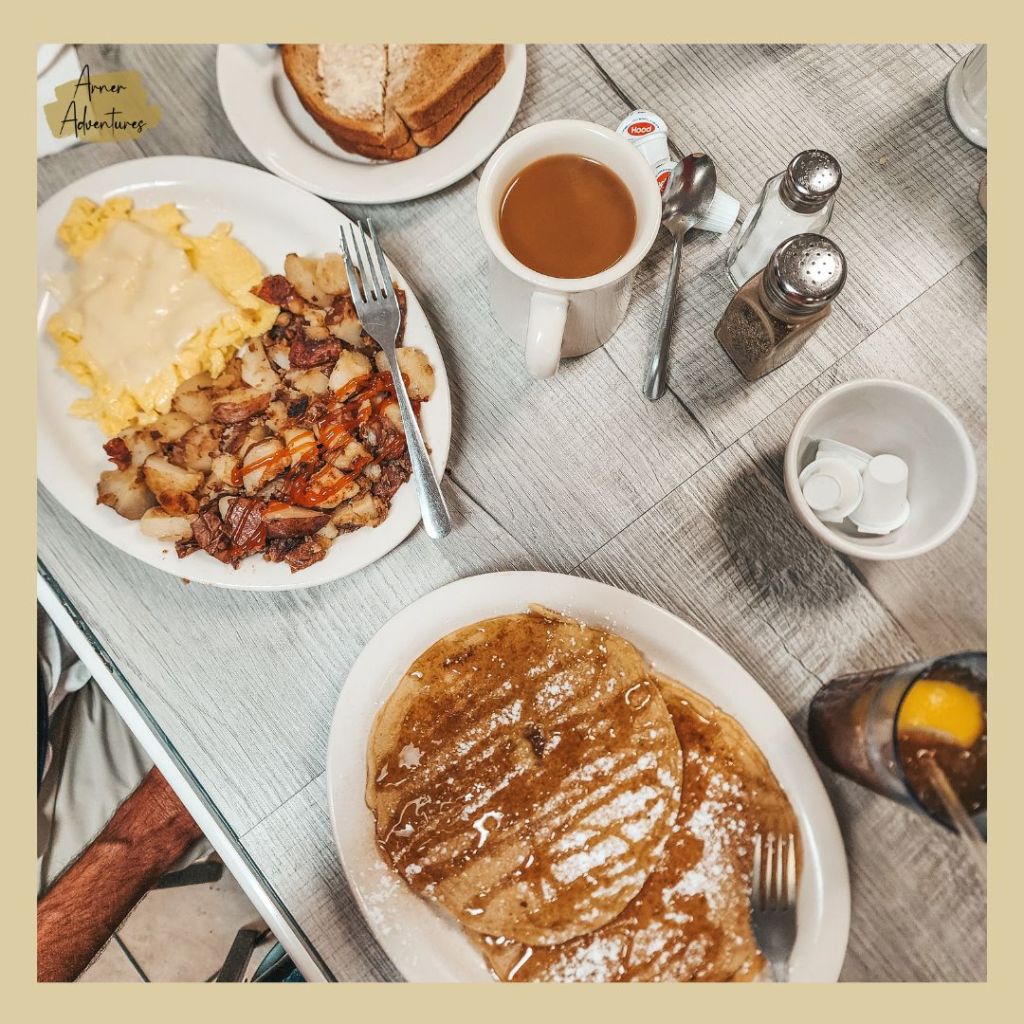
They’re also one of the best places to get a feel for a town.
You hear conversations, notice who knows whom, and occasionally leave with a recommendation you never would have found through a search engine.
The food matters, of course. But the people, history, and atmosphere are what make a local diner worth returning to.
4. Chatting With Strangers
We know. Talking to someone you don’t know can feel suspiciously social.
But some of our favorite travel tips, restaurant recommendations, and funny stories have come from conversations with strangers.
It might be someone sitting beside us at a bar, standing in line at a coffee shop, or walking a dog along the same trail. One casual comment can turn into a great recommendation or a story we repeat for years.
Not every conversation needs to become a friendship. Sometimes it’s simply nice to share a few minutes with another person and then continue with your day.
5. Going to the Library
Libraries remain one of the greatest things our communities have ever created.
You can borrow books, read newspapers and magazines, attend events, research local history, use the internet, or simply sit somewhere quiet—all without being expected to buy anything.
Libraries also make it possible to enjoy more while owning less.
Instead of purchasing every book you want to read, you can borrow it, return it, and let someone else enjoy it next. If a book isn’t for you, no problem. You haven’t spent $28 on something that will now stare at you from the shelf for the next decade.
In a world where nearly every activity ends at a checkout screen, the library feels wonderfully rebellious.
6. Listening to an Entire Album
Music platforms have made nearly every song available within seconds. That’s incredible, but it has also changed how many of us listen to music.
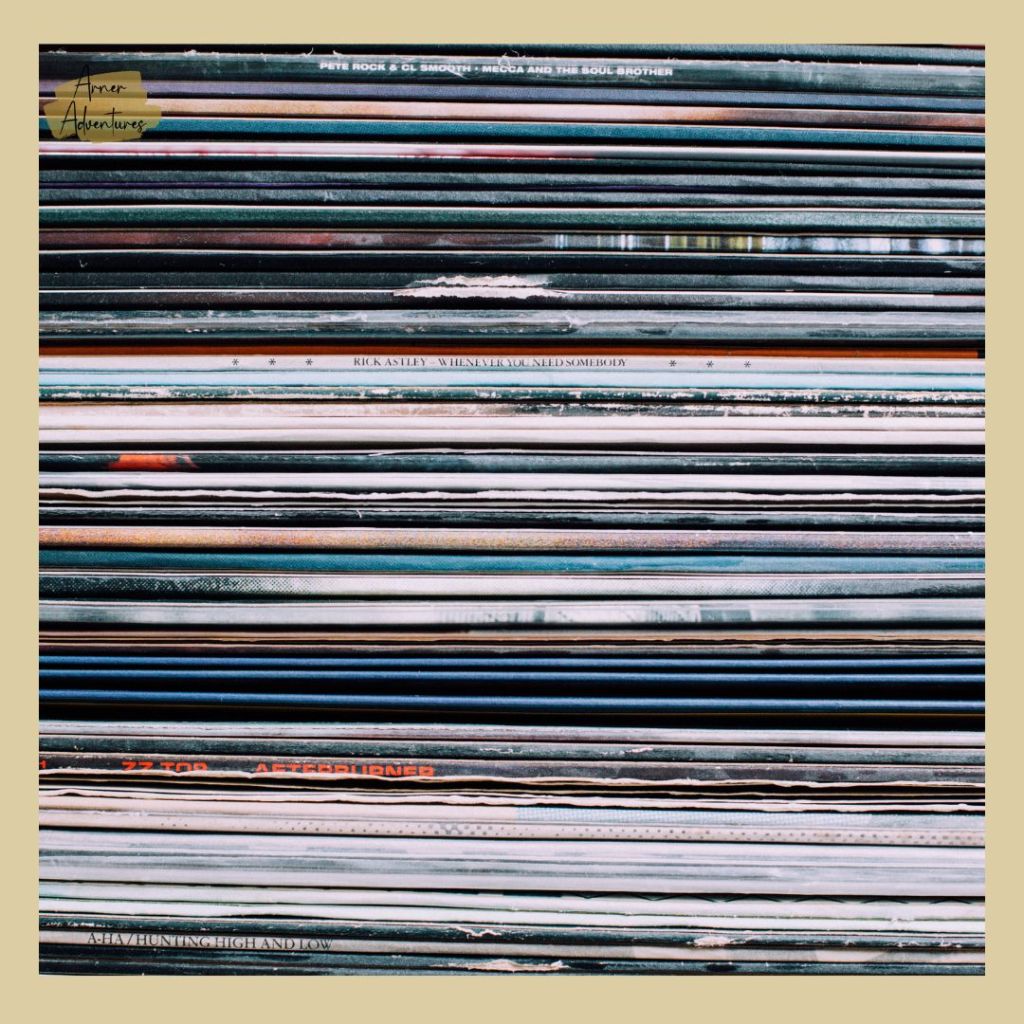
We skip songs after fifteen seconds. We shuffle playlists. We let an algorithm decide what should play next.
There’s something special about starting an album with the first track and listening all the way through in the order the artist intended.
We recently got a Vintage-Looking Bluetooth Record Player and have been really enjoying our album collection again
You notice how one song moves into the next. You hear tracks that never became singles. You give the music time to grow on you instead of immediately searching for something else.
It’s slower, more intentional, and much more satisfying than skipping through 37 songs while insisting there’s nothing good to listen to.
7. Browsing Bookstores Without a Shopping List
Ordering a book online is efficient. Wandering through a bookstore is an activity.
You read covers, flip through pages, notice staff recommendations, and somehow end up in a section you never planned to visit.
A local indie bookstore can also tell you a lot about a community. You may find books by regional authors, local history sections, community bulletin boards, and events you didn’t know were happening.
Sometimes you leave with a book. Sometimes you leave with three books and absolutely no explanation for what happened.
Either way, browsing is the point.
8. Stopping at Roadside Attractions
We have a soft spot for the enormous, questionable, and completely unnecessary.
The world’s largest rocking chair? We’re stopping.
A museum devoted entirely to Bush’s Beans? Tell us the hours.
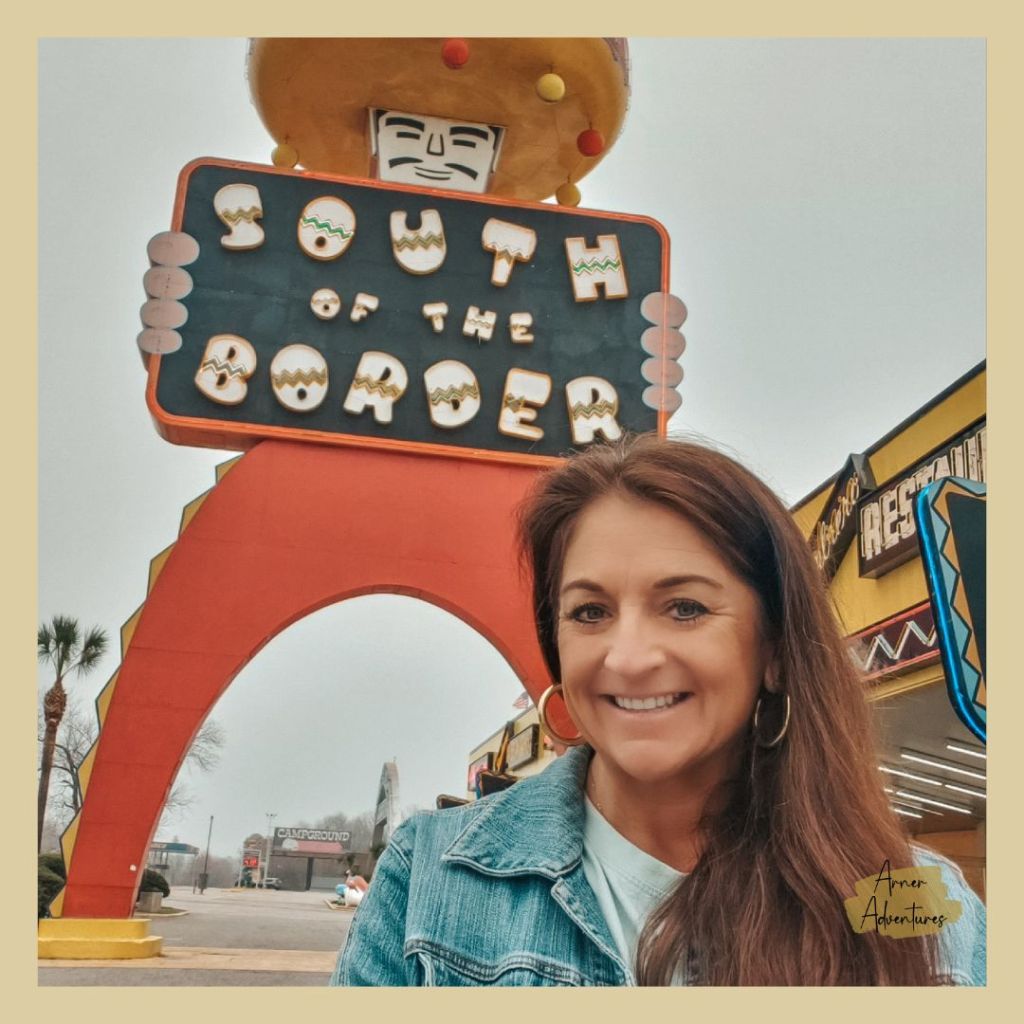
A giant fiberglass animal beside the highway or in a huge sombrero? We need a photo.
Roadside attractions remind us that travel doesn’t need to be polished or impressive. Sometimes it can simply be weird—and weird usually makes a much better story.
They also encourage us to get off the interstate, visit smaller towns, and see things we would have missed if we only focused on reaching the final destination.
9. Repairing Things Instead of Replacing Them
Modern life has trained us to replace things the moment they become inconvenient.
A button falls off, a chair gets scratched, or an appliance stops working properly, and our first instinct is often to start shopping.
Repairing something takes more patience, but it also helps us appreciate what we already own.
It might mean sewing a small hole, refinishing a piece of furniture, taking shoes to a repair shop, or learning how to fix something with the help of a tutorial.
Not everything can or should be saved. But using our belongings longer reduces waste, saves money, and keeps us from treating everything we own as disposable.
Old-fashioned resourcefulness deserves a comeback.
10. Sitting on the Porch and Doing Absolutely Nothing
Sitting outside used to be an acceptable activity all by itself.
You could drink something, watch the neighborhood, wave at people passing by, and allow several minutes to go by without documenting or optimizing any of it.
Now, doing nothing can make us feel as though we’re wasting time.
We disagree.
Sitting on the porch, balcony, patio, front steps, or wherever you have access to fresh air gives your brain a chance to stop processing information. You begin noticing birds, weather, neighbors, and all the small things happening around you.
No productivity. No multitasking. No reason to turn it into content.
Just sitting there.
Honestly, we need more of that.
11. Reading Printed Magazines
A printed magazine asks very little from you.
There are no alerts, pop-ups, videos that begin playing without permission, or tabs waiting to distract you. You can read one article, fold down a page, put the magazine aside, and return to it later.
Magazines can also be shared, passed along, or borrowed from the library rather than purchased and immediately discarded.
We get The New Yorker Magazine still, and when it arrives, we indulge every single article…sometimes more than once. When we are finished, we donate it to our library.
Reading a magazine at the kitchen table or beside a pool feels completely different from scrolling through the same information on a phone.
It’s content with a stopping point—and we appreciate anything that doesn’t try to keep us online until we forget why we picked up the phone.
12. Becoming a Regular Somewhere
Being a regular doesn’t require visiting the fanciest place in town.

It might mean returning to the same coffee shop, neighborhood bar, farmers market booth, bookstore, or lunch counter often enough that someone recognizes you.
Over time, you learn names. Someone remembers your order. You begin recognizing other familiar faces and hearing the local news.
Those small interactions create a sense of belonging.
This can be especially meaningful after moving to a new town. You may not feel at home immediately, but returning to the same places helps your new surroundings become familiar.
It’s one of the simplest ways to feel connected to where you live—and it’s something an app can’t recreate.
Maybe “Outdated” Isn’t Such a Bad Thing
We don’t want to give up modern convenience. We like having directions read aloud, ordering necessities online, and getting an answer without locating an encyclopedia.
But we also don’t want efficiency to remove every interesting, human, slightly inconvenient part of life.
A newspaper invites us to sit down. A farmers market connects us with the people around us. A library lets us enjoy more while owning less. A roadside attraction gives us a reason to take the exit.
Maybe the old-fashioned things we love aren’t really outdated. Have you heard of “grandma homes”?
All of these things are of interest because they help us to live a slower, fuller life.
Apparently, they’re not so secret anymore, either.
FAQs | Frequently Asked Questions
Old-fashioned activities can include reading a newspaper, visiting the library, shopping at a farmers market, repairing belongings, browsing a bookstore, listening to an entire album, and spending time outside without a screen.
Old-fashioned habits give people a break from screens, notifications, and constant distractions. Many also create opportunities to support local businesses, reduce waste, and feel more connected to a community.
Start with one simple change. Borrow a book from the library, listen to an album from beginning to end, repair something you already own, eat at a local diner, or spend a few minutes sitting outside without your phone.