

Whether you recently found out you are the Pitta body type, or simply want to know more about the Ayurveda Doshas, you have come to the right place.
We have embarked on an extraordinary journey of self-discovery. Our journey has taken us to Ayurveda, where ancient wisdom collides with modern desires. Come with us to unlock the blazing potential within you as we delve deep into the realm of Pitta Dosha, the formidable fire element that ignites our passions and fuels our ambitions.

This post will cover the Pitta Ayurvedic body type. We have separate posts that dive deep into each of the three doshas: this one (pitta), the vata body type, and the kapha body type. Getting to know more about the ayurvedic body types helps us understand what we can do to help ourselves. Consider this as not only health tips but a wellness lifestyle journey.
We are going to unpack the enigmatic nature of Pitta Dosha together. You’ll uncover the secrets of balancing this fiery element and harnessing its immense power to bring about profound transformations in your physical, mental, and emotional well-being.
Let’s dive right in.

Background on Ayurveda and Doshas
In Ayurveda, the ancient Indian system of medicine, doshas are the three fundamental energies or bioenergetic forces that govern our physical, mental, and emotional well-being. The doshas are associated with the five elements, though each dosha is different. Pitta Dosha is one of these doshas, and it is associated with the elements of fire and water. Pitta is derived from the Sanskrit word “tapa” meaning “heat”.
Picture this: a scorching flame dancing wildly, flickering with intensity and purpose. That’s the essence of Pitta Dosha coursing through your veins – a potent force that embodies determination, courage, and an unquenchable thirst for success. It’s the radiant fire that propels us forward, urging us to embrace challenges and strive for greatness in every aspect of our lives.

Pitta Dosha is responsible for the transformative processes within our bodies, including digestion, metabolism, and energy production. It is associated with the qualities of heat, sharpness, and intensity. Just as fire transforms and purifies, Pitta Dosha governs our ability to transform and metabolize experiences, emotions, and sensory impressions. These traits, naturally, affect health.
Understanding Pitta Body Type – Pitta Dosha
Pitta Dosha manifests itself in individuals through a set of distinct characteristics and qualities. Understanding these characteristics can provide valuable insights into how Pitta influences our overall well-being and constitution. Here are some key qualities associated with Pitta Dosha:

- Fire and Heat: Pitta is predominantly characterized by heat, which is responsible for our metabolic processes, maintaining body temperature, and providing energy. Pitta individuals often have a warm body temperature and a strong appetite for both food and life.
- Intensity and Focus: Pitta individuals are known for their sharp focus, determination, and strong willpower. They possess a natural drive to achieve their goals and exhibit leadership qualities.
- Precision and Clarity: Pitta Dosha governs our ability to analyze, comprehend, and make decisions. Pitta individuals are often sharp-minded, logical, and have excellent problem-solving skills.
- Strong Digestive Fire: Pitta governs the digestive system, and individuals with a dominant Pitta Dosha often have a robust appetite and efficient digestion. However, when out of balance, Pitta can lead to hyperacidity and digestive issues.
The Role of Pitta Dosha In Physical, Mental, & Emotional Well-being
Pitta Dosha plays a vital role in maintaining our physical, mental, and emotional equilibrium. When balanced, Pitta contributes to good health and well-being. Here’s how Pitta influences different aspects of our well-being:
- Physical Well-being: Pitta governs the body’s metabolic processes, digestion, and absorption of nutrients. Balanced Pitta Dosha promotes a healthy metabolism, good appetite, radiant skin, and strong immunity. However, an excess of Pitta can manifest as inflammation, hyperacidity, skin irritations, or excessive sweating.
- Mental Well-being: Pitta’s qualities of focus, determination, and sharp intellect contribute to mental clarity, precision, and efficiency. Balanced Pitta Dosha individuals are often intelligent, confident, and have a natural inclination for leadership. However, imbalanced Pitta can lead to tendencies such as perfectionism, anger, impatience, and excessive ambition.
- Emotional Well-being: Pitta Dosha influences our emotional tendencies and our ability to process and transform emotions. When Pitta is in balance, individuals experience healthy emotional expression, passion, and enthusiasm. However, an excess of Pitta can manifest as irritability, anger, frustration, and a tendency to be critical or judgmental.

Balancing Pitta Dosha
Understanding the role of the Pitta type in our physical, mental, and emotional well-being is the first step towards harnessing its power and achieving balance. By recognizing the qualities and characteristics of Pitta, we can make conscious choices to promote its harmony within us, leading to a vibrant and fulfilling life.
Recognizing signs of imbalance in Pitta Dosha
Maintaining balance within Pitta Dosha is crucial for overall well-being and the Ayurvedic constitution. When Pitta becomes imbalanced, certain signs and symptoms may arise, indicating the need for restoration. Here are some common signs of Pitta Dosha imbalance to look out for:

- Physical Signs: Excessive body heat, sensitivity to heat, excessive sweating, acid reflux, heartburn, inflammation, rashes, skin irritations, acne, ulcers, loose stools, or diarrhea.
- Emotional Signs: Anger, irritability, impatience, judgmental behavior, competitiveness, intense emotions, criticism, aggression, or a tendency to be controlling.
- Mental Signs: Overthinking, perfectionism, excessive ambition, workaholism, being overly critical of oneself and others, difficulty relaxing or letting go, or feeling overwhelmed and burned out.
The impact of Pitta Dosha imbalance on overall health
When Pitta Dosha is out of balance, it can have a significant impact on our overall health and well-being. Some of the effects of Pitta imbalance include:

- Digestive Disturbances: Excessive Pitta can lead to hyperacidity, acid reflux, heartburn, ulcers, and inflammatory bowel conditions. These digestive disturbances can cause discomfort, decrease nutrient absorption, and affect overall digestive health.
- Inflammation and Skin Issues: Imbalanced Pitta often manifests as inflammation in the body, leading to skin issues such as acne, rashes, eczema, or psoriasis. These conditions can be persistent and affect the health and appearance of the skin. Skin care is important.
- Emotional Turmoil: Excess Pitta can result in heightened emotional intensity, leading to anger, irritability, and a short fuse. It may also contribute to feelings of competitiveness, judgment, and being overly critical of oneself and others.
- Burnout and Stress: Pitta imbalance can cause individuals to push themselves excessively, leading to burnout and chronic stress. This can affect both mental and physical health, resulting in exhaustion, weakened immunity, and decreased overall well-being.

Strategies for restoring balance and harmony
The good news is that it is possible to restore balance and harmony to Pitta Dosha. By adopting certain lifestyle practices and making conscious choices, you can pacify Pitta and promote overall well-being. Here are some strategies to restore balance:
- Cooling Diet: Opt for cooling and hydrating foods such as fresh fruits, vegetables, leafy greens, coconut water, cucumber, cilantro, and mint. This ayurvedic diet will reduce or avoid spicy, oily, and fried foods, alcohol, caffeine, and processed foods that can aggravate Pitta.
- Relaxation and Stress Management: Incorporate relaxation techniques such as meditation, deep breathing exercises, and gentle yoga to reduce stress levels. Engage in activities that bring joy and calmness, such as spending time in nature, practicing mindfulness, or engaging in creative pursuits.
- Time for Rest and Recovery: Ensure adequate rest and sleep to replenish your energy reserves. Establish a consistent sleep routine and create a soothing bedtime ritual to promote relaxation and quality sleep.
- Balance Work and Play: Avoid overworking and create a healthy work-life balance. Make time for leisure activities, hobbies, and spending time with loved ones to cultivate a sense of joy and fulfillment outside of work.
- Practice Self-Compassion: Cultivate self-compassion and kindness towards yourself. Release perfectionistic tendencies and allow yourself to rest, relax, and enjoy life without constantly striving for achievement.
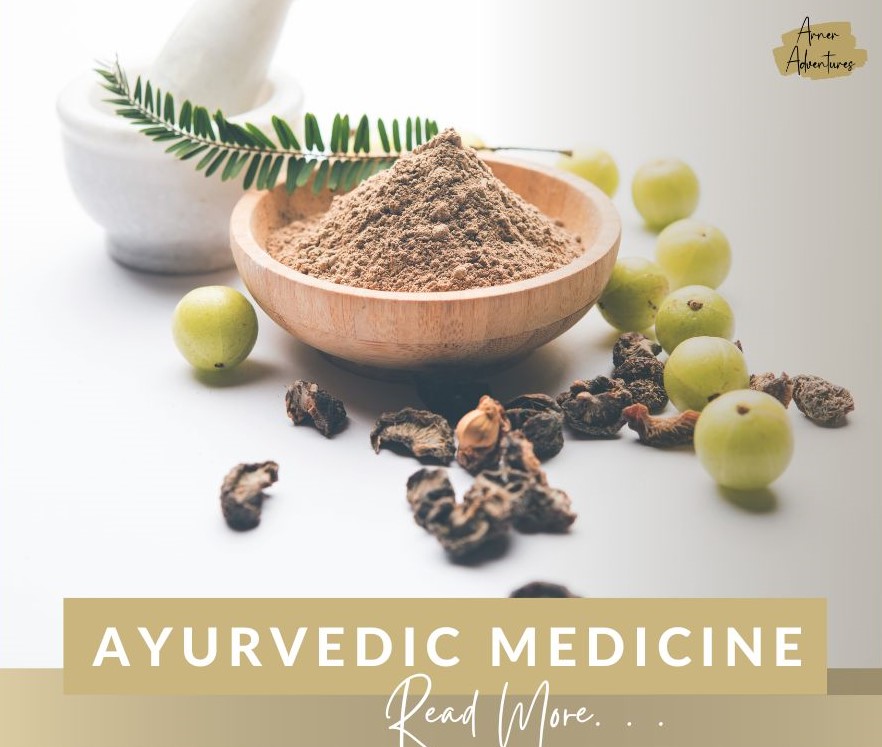
- Herbal Support: Incorporate cooling herbs such as coriander, fennel, aloe vera, and mint into your diet. Consult with an Ayurvedic practitioner for personalized herbal recommendations that can support Pitta balance.
By implementing these strategies, you can restore balance to Pitta Dosha, alleviate symptoms of imbalance, and promote overall health and well-being. Embrace these practices consistently to nurture harmony within Pitta Dosha and live a vibrant, balanced life.
Pitta People master your fire, within!
By engaging in the practices outlined above, you can master the fire within and unleash the power of your pitta dosha. It may take some time and energy but, with focus and dedication, you will be able to create balance in your life, mind, and body.

Above all else, remember to be patient with yourself, for recognizing and embracing your true nature is a path of transformation that requires honing your tools consistently. Don’t be afraid to ask for guidance when needed as there are many teachers available with knowledge they’re willing to share.
As always we’d love to hear from you – have you used any of these techniques before or do you have any others to suggest? Let us know by commenting below.
FAQs | Frequently Asked Questions
Yes, according to Ayurveda, Pitta dosha can indeed be imbalanced in combination with other doshas. In Ayurvedic philosophy, each individual has a unique constitution, known as prakriti, which is determined by the predominance of doshas—Vata, Pitta, and Kapha—in their physical and mental makeup. Most people have a combination of two dominant doshas, while some may have all three in equal proportions.
Everyone has their own dosha- body type. While following what is best for your dosha is more than likely healthier than not trying, it would benefit everyone to live according to their own dosha.
An Ayurvedic practitioner’s assessment is the best way to determine your dosha and any imbalances. If you want to learn more about the type you may be, feel free to try this quiz. It can help you learn about your possible dosha.