

Slow travel, or being a slow traveler, may seem like a bore, but it is more enriching than you can imagine.
You know that feeling when you come back from a vacation and instead of feeling refreshed, you feel like you need another vacation? Yeah, we’ve been there.

We used to be the kind of travelers who tried to cram as much as possible into every trip—bucket lists, back-to-back activities, and running from one must-see spot to the next.
But over time, we realized that’s not what makes travel fulfilling.
That’s when we started embracing slow travel—choosing experiences over checklists, depth over speed, and really soaking in each destination instead of rushing through it.
And let’s be honest—slow travel has made our trips way more enjoyable and way less stressful.
Slow Traveler
We’re breaking down what it means to be a slow traveler, why it’s changed how we see the world, and how you can start incorporating slow travel into your adventures.
Whether planning a big trip or just dreaming about your next getaway, we have plenty of insights and stories to share.
And stick around because we’ll also tackle how to deal with the fear of ‘missing out’—because, let’s be honest, skipping the big tourist attractions or choosing to spend a full day wandering instead of sightseeing can feel like you’re doing travel ‘wrong.’
Spoiler: you’re not!

What is Slow Travel?
The definition of Slow travel is about immersing yourself in a destination rather than rushing through it.
It’s about experiencing a place, not just checking things off a list.
The difference between slow travel and traditional travel is that traditional travel includes fast-paced itineraries that fit everything in. Slow travel is going with the flow, having a loose plan with intentional travel experiences, and allowing a relaxed time soaking in the culture.
Why We Became Slow Travelers
We didn’t always travel this way. We used to be the type of travelers who crammed as much as humanly possible into every trip. Early on, we thought the goal of travel was to see and do EVERYTHING.
If a city had 15 must-see attractions, we tried to hit all 15, even if it meant running ourselves into the ground.
One of the worst examples of this was when we planned a packed trip to Philadelphia. We had an itinerary planned down to the hour—morning tours, afternoon sightseeing, and a different restaurant every night.
By the third day, we were exhausted. Instead of feeling excited about where we were, we were rushing from one thing to the next, barely taking it all in.

We were physically tired, mentally drained, and honestly, a little irritable with each other because we weren’t enjoying it the way we had imagined.
Yeah, and what’s baffling is when we returned home, we couldn’t even remember half the things we had done. It was just a blur. And that’s when we realized—we weren’t really experiencing the places we visited.
We were just checking them off a list.
Slow Travel Came In Unexpectedly
We had a last-minute trip to New York City. It was a media trip, but usually, there is a lot planned on these trips, and then we fit in as much as possible. We knew we wanted to come home refreshed and not exhausted.
That was the trip where we realized slow travel wasn’t just an idea—it completely changed how we experienced new places.
We felt more connected, remembered what we did, and came home feeling refreshed instead of exhausted.
Similarly, we were recently in Jamaica, and we knew had so many things to do in Ochos Rios that we wanted to fit in, so, fortunately, we were able to extend our time in that area, slow down, and enjoy the area.

Benefits of Being a Slow Traveler
- Less Stress + Travel Burnout – You’re not running from one thing to the next. You may want to check out our article on airport anxiety.
- More Meaningful Experiences – Connecting with locals and discovering hidden gems.
- Saves Money – Fewer flights and longer stays = better deals.
- More Sustainable – Reducing unnecessary travel movement reduces your carbon footprint.
- Creates Deeper Memories – The small moments end up being the most special.
Walking in a new city allows for all those benefits. We see things we would have never seen. The pace is slower, literally and figuratively.
How to Become a Slow Traveler (Practical Steps)
- Choose Fewer Destinations – Instead of hitting five cities in 10 days, pick one or two and really explore them.
- Stay Longer in One Place – Find a deal in a hotel that offers weekly rates, or check out an Airbnb that may do the same. It saves money and time to have one home base.
- Skip the Overloaded Itinerary – Leave room for spontaneity and relaxation.
- Live Like a Local – Find small cafés, go to local markets, walk more, and take public transport. Ask the locals what they love!
- Prioritize Quality Over Quantity – Do fewer activities, but go deeper into them (take a cooking class or a walking tasting tour instead of just eating at a restaurant).
- Unplug More – Less time on Google Maps, more time exploring without a plan- safely, of course!

Overcoming the Fear of ‘Missing Out’ in Travel
One of our biggest struggles when transitioning to slow travel was this nagging feeling of ‘Are we missing out?’
It’s so easy to fall into that mindset, especially when you see travel guides, Instagram posts, and blog content that make it seem like you have to see every significant landmark or try every recommended experience for your trip to be ‘worth it.
“If We Don’t See This, Will We Regret It?” – Shifting the Mindset
We used to ask ourselves that all the time—‘If we don’t visit this museum, hike this trail, or eat at this famous restaurant, are we going to regret it?’
But here’s the thing: The fear of missing out usually makes you rush through experiences instead of enjoying them.

When we started shifting our mindset from “oh my gosh, we have to see everything” to “fully experiencing this place,” we stopped feeling like we were missing out.
Instead of asking, “Will we regret not seeing this?” we started asking, “Will this experience truly add value to our trip?” That slight shift in perspective made all the difference.
It’s really about quality over quantity. When you try to squeeze in too much, you don’t actually experience anything in-depth.
We’d rather spend a slow morning wandering a neighborhood, having meaningful conversations with locals, and truly immersing ourselves in a place rather than rushing from one attraction to another to say we did it.
One of the best things about slow travel is that it leaves room for surprises. Some of our most memorable moments happened when we didn’t have a plan.
When you schedule every minute of your trip, you don’t give yourself space to be in a place. And honestly, those unplanned moments are the ones we remember the most.

How Skipping Tourist Attractions Can Lead to the Unique Experiences
Don’t get us wrong—we’re not saying you should avoid all tourist attractions. Some of them are iconic for a reason!
But what we’ve found is that sometimes the best experiences happen when you go beyond the popular spots.
While everyone else is waiting in line for hours to get their photo taken at the Southernmost Point in the Florida Keys, you could be wandering through a quiet local market, having an actual conversation with a shop owner, or finding a hidden viewpoint that’s just as breathtaking—without the crowds.
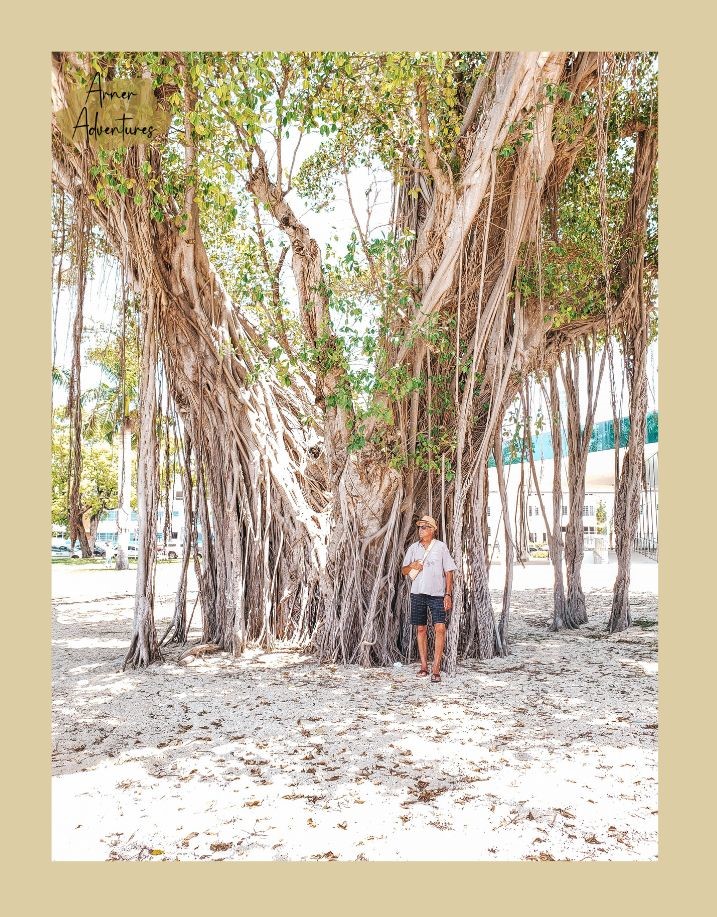
At the end of the day, travel isn’t about checking off a list—it’s about creating experiences that actually matter to you. What someone else thinks is a ‘must-see’ might not be a must-see for you, and that’s okay.
If you leave a place feeling like you connected with it in a meaningful way, you didn’t miss out on anything—you lived it fully.
Fellow Minimalists! Why Minimalism + Slow Travel Go Hand-in-Hand
What we’ve realized is that minimalism and slow travel are two sides of the same coin. Just like we’ve learned to live with less in our day-to-day lives, we’ve also learned that we don’t need to collect experiences the same way we used to.
More isn’t always better. It’s similar to slow living. A slower life reduces the fast pace that so many of us are used to, especially in the United States.
Instead of rushing through a dozen destinations, we’ve found that staying in one place longer and doing fewer things with more intention actually makes our trips feel way more fulfilling.
That is why we sold everything and moved to a physically smaller life- so we can travel but have more experiences that are intentional.
Slow travel, like minimalism, is about stripping away the excess so you can fully appreciate what really matters.
Instead of filling your suitcase—or your itinerary—to the brim, you focus on what’s meaningful, what brings joy, and what truly connects you to a place.
And that’s why we’ll never go back to the old way of traveling. We love holding the title of being a “slow traveler.”
Travel Isn’t About Doing It All—It’s About Experiencing It Fully
If you’ve ever felt exhausted after a vacation, maybe it’s time to rethink how you travel. Try slow travel, even in small ways, and see how it changes your experience.
Consider one way you can incorporate slow travel into your next trip.
Have you ever tried slow travel? What was your experience like? Let us know!
FAQs | Frequently Asked Questions
You don’t have to take long trips to be a slow traveler. Even if you only have a week, you can choose one destination instead of hopping between multiple cities. Focus on quality over quantity—stay in one place, explore at a relaxed pace, and prioritize meaningful experiences over packed itineraries.
Some of my (Shannon’s) slowest travel has been solo. No one is rushing me; I don’t have to do what anyone else in my travel group wants to do, and I can meander wherever I want. It can be done either way, though, as long as your partner/group is on the same page.
Start with destinations that naturally encourage a relaxed pace: European small towns like Porto, Bruges, or Lucca; Coastal destinations like the Amalfi Coast, Santorini, or Tulum; Countryside escapes like Tuscany, the French countryside, or Bali’s rice terraces; or Walkable cities like Kyoto, Seville, or Savannah.